








Macro Playbook for the Week
4 central bank decisions. A week of inflation tests.
From the Fed to the ECB, this week’s data could shift market expectations on interest rates, inflation and economic growth.
Swipe through the Macro Playbook to see what’s on the calendar.
#marinatimes #globalmarkets #inflation #financialmarkets


A $4.2 TRILLION BANK IS EYEING NIGERIA’S MERCHANT BANKING SPACE.
The CBN has granted JPMorgan Approval-in-Principle to establish JPMorgan Merchant Bank Nigeria Limited.
But what does that mean for Nigeria?
Think corporate financing, major infrastructure projects, cross-border deals and competition for high-value investment banking mandates.
This isn`t about opening a new bank branch for your everyday transactions. Merchant banking focuses on businesses, large-scale financing and complex corporate deals.
And while JPMorgan`s entry could deepen competition and improve access to global financial networks, it won`t magically fix Nigeria`s inflation or power challenges.
Swipe through to understand the opportunity, the competition and the reality check.
#marinatimes #jpmorgan #investmentbanking #financialmarkets #globalfinance
Weekly Market Review
Nigeria’s financial markets sent some mixed signals last week.
💱 The naira weakened to $/₦1,361.84.
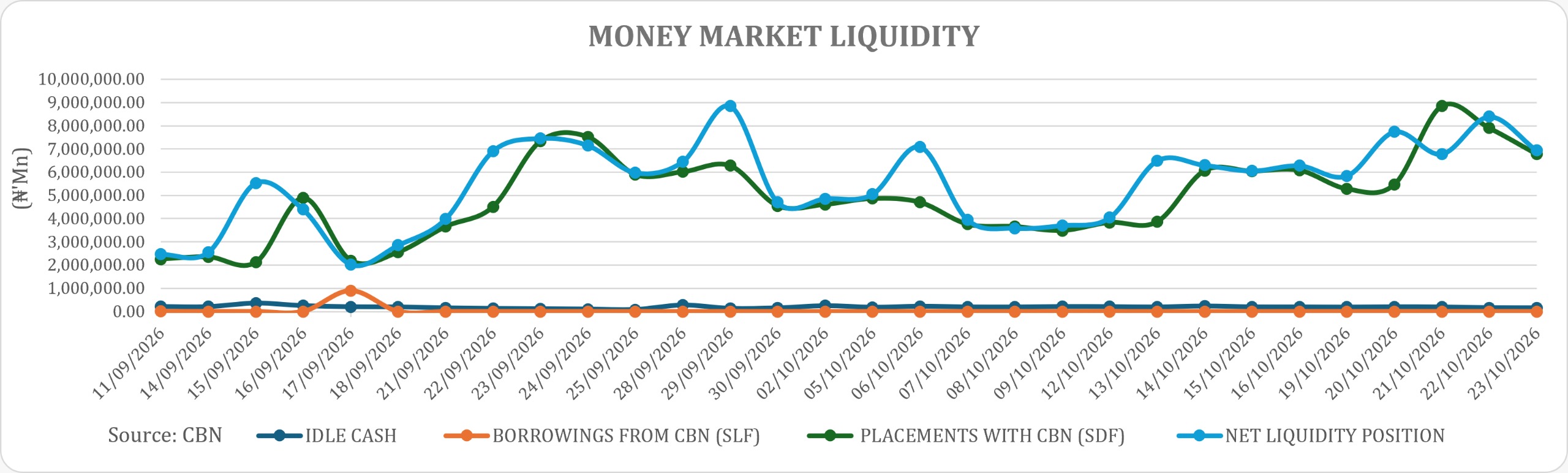
💰 System liquidity increased by 18.76% to ₦6.94 trillion.
📉 The NGX declined 0.13% week-on-week.
🛢️ Brent crude closed at $116.72 per barrel.
Meanwhile, all three FGN bonds at the October 19 auction cleared at higher stop rates, signalling that investors demanded higher yields.
Swipe through our Weekly Market Review for the key numbers, what they mean, and what to watch next.
Which market signal are you watching most closely: the naira, bond yields, the NGX or oil prices?👇🏽
Save this review for your next market check-in.
#marinatimes #nigerianeconomy #fixedincome #financialmarkets #investinginnigeria
Dem say inflation don fall, but ₦5,000 still dey disappear like magic. 😭😂
Oya, make we break am down!
Inflation rate falling no mean say prices don return to how dem be before. E simply mean say prices dey rise at a slower rate.
So yes, inflation fit cool small, but your garri, transport and rent no automatically become cheaper. 🥲
#marinatimes #inflation #nigeriaeconomy #moneymatters #financialliteracy
₦50K today. ₦200K in 30 days. Zero risk. 👀
Omo, would you invest or run? 😭
Let`s test your money instincts. Swipe through the scenario, pick your answer and see whether you spotted the red flag.
No checking Google o! A, B or C?Drop your answer in the comments before swiping. 👇🏽
#marinatimes #financialliteracy #investmentscams #personalfinancenigeria #moneymatters
Part 5: Identity Shifting: (Identity Embodiment: When Becoming Turns into Being)
This article is part of a 5 part series exploring identity shifting, the art of becoming the version of yourself who already lives the life you’re creating.
#deepthoughts #mindsetmatters #marinatimes
Alternative Asset Update
By the time crypto news reaches your feed, could the opportunity already be gone? 👀
You spot a promising project. A major partnership is announced. Everyone starts talking about the token.
You buy in, expecting the price to rise… but what if the market has already reacted?
That’s where the Efficient Market Hypothesis (EMH) comes in. It suggests that asset prices reflect available information, making it difficult to consistently profit from news everyone already knows.
And here’s the twist: good news doesn`t always mean a token`s price will rise. If investors were expecting something even better, the price could actually fall.
Have you ever bought a crypto token after seeing exciting news, only for the price to move in the opposite direction?
#marinatimes #Crypto #cryptoeducation #bitcóin #web3 #digitalassets #cryptoinvesting #financialliteracy
Legal Insights
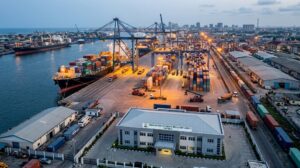
PORT CHARGES CAN’T JUST GO UP BECAUSE AN OPERATOR SAYS SO.
Nigeria’s Nigerian Ports Economic Regulatory Agency (NPERA) Act, 2026 introduces rules designed to make port tariffs more transparent and accountable.
Under the Act, port service providers must submit proposed tariff adjustments for approval before implementing them. NPERA can also freeze unapproved fee increases and order refunds or credits where applicable.
And that’s not all. The Act also introduces mandatory registration requirements and sets out procedures for complaints and appeals.
What does this mean for port operators, shipping companies, cargo owners and the wider maritime industry?
#marinatimes #legalinsights #maritimeindustry #shipping #logistics
Alternative Asset
Crypto is sending mixed signals this week.
📈 US spot Bitcoin ETFs recorded $526.7 million in net inflows on 19 October, their strongest daily inflow since 22 September.
📉 Ether ETFs, meanwhile, recorded $103.3 million in outflows, extending their withdrawal streak to four consecutive sessions.
But there`s another story beyond the price charts.
JPMorgan has brought its dollar deposit token, JPMD, onto Ethereum for institutional clients. BNY and Citadel Securities also completed a transaction using a tokenised US Treasury.
So, while prices and investor flows remain uneven, the financial infrastructure behind crypto continues to evolve.
Are we watching the beginning of a new institutional crypto cycle, or is the market still waiting for stronger confirmation? 👇🏽
#marinatimes #bitcóin #cryptomarkets #web3 #tokenization #digitalassets
Alternative Asset Update
What if the future of crypto isn’t one blockchain doing everything but different blockchains working together?
That’s the idea behind Polkadot. Its multi-chain infrastructure is designed to connect specialised blockchains through shared security and interoperability.
But there’s another development worth paying attention to: DOT’s tokenomics changed in 2026, with a new 2.1 billion supply cap replacing the previous uncapped issuance model.
What does that mean for DOT’s long-term outlook?
Read the full analysis on our website.
#marinatimes #polkadot #dot #blockchain #digitalassets #web3 #alternativeassets #cryptomarket
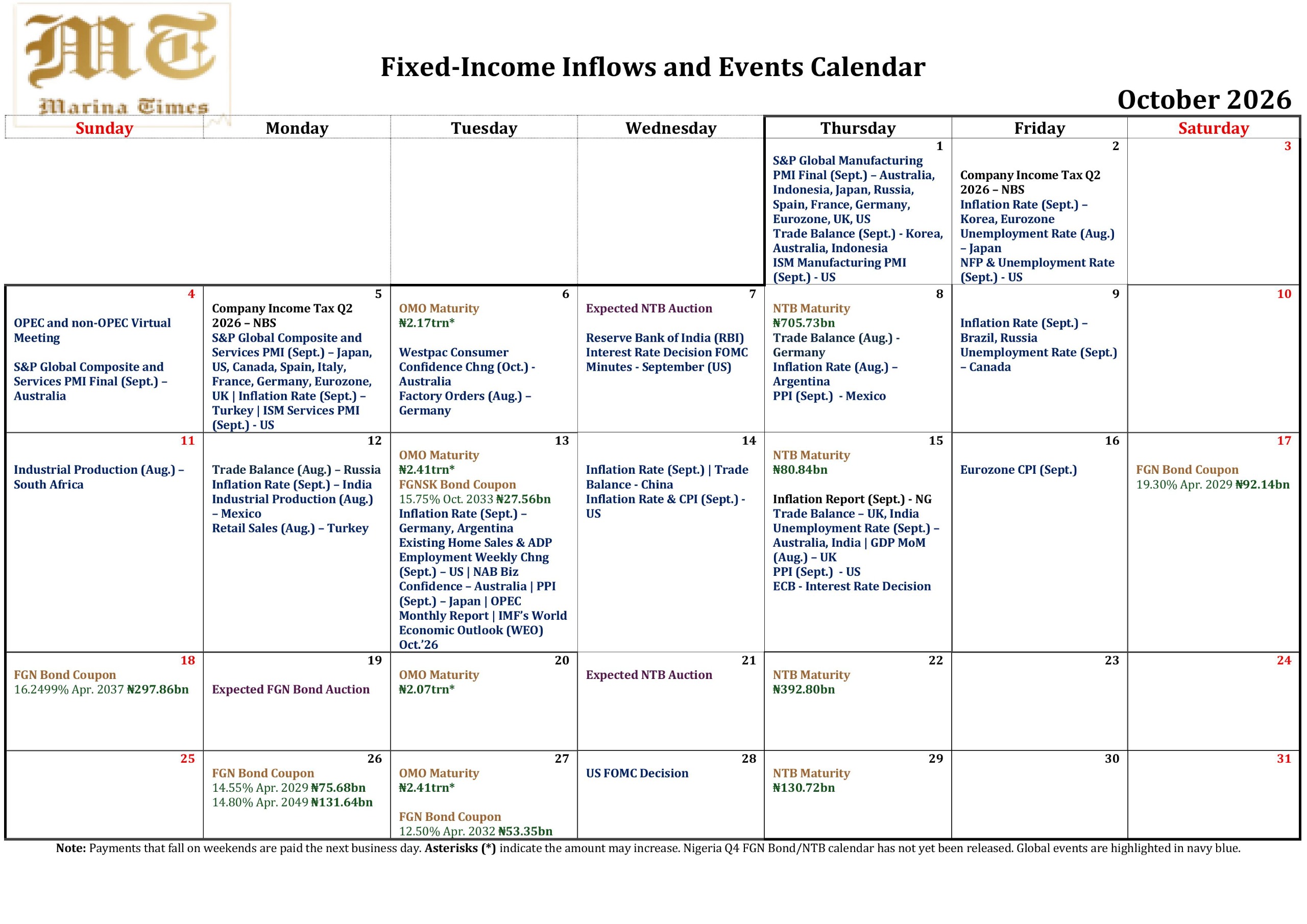
Macrobook: Week Ending October 23, 2026
The macroeconomic calendar for the week ending October 23, 2026, is packed with pivotal tier-1 global catalysts. This macrobook shows the scheduled daily data releases.
Swipe through for the full schedule.
#marinatimes #globaleconomy #marketoutlook #economicdata #financialmarkets
Your salary enters, everybody remembers you. 😭😂
Rent. Transport. Food. Family. Debt.
Be honest with us: after everybody don collect their own, how much of your salary actually remains for you? 👀👇🏽
#marinatimes #moneymatters #salarylife #financialliteracy