Why Snapchat Dysmorphia Happens: The Hidden Psychology Behind Filter Culture

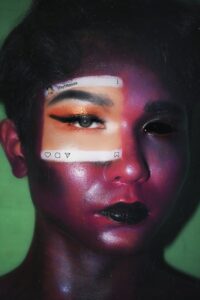
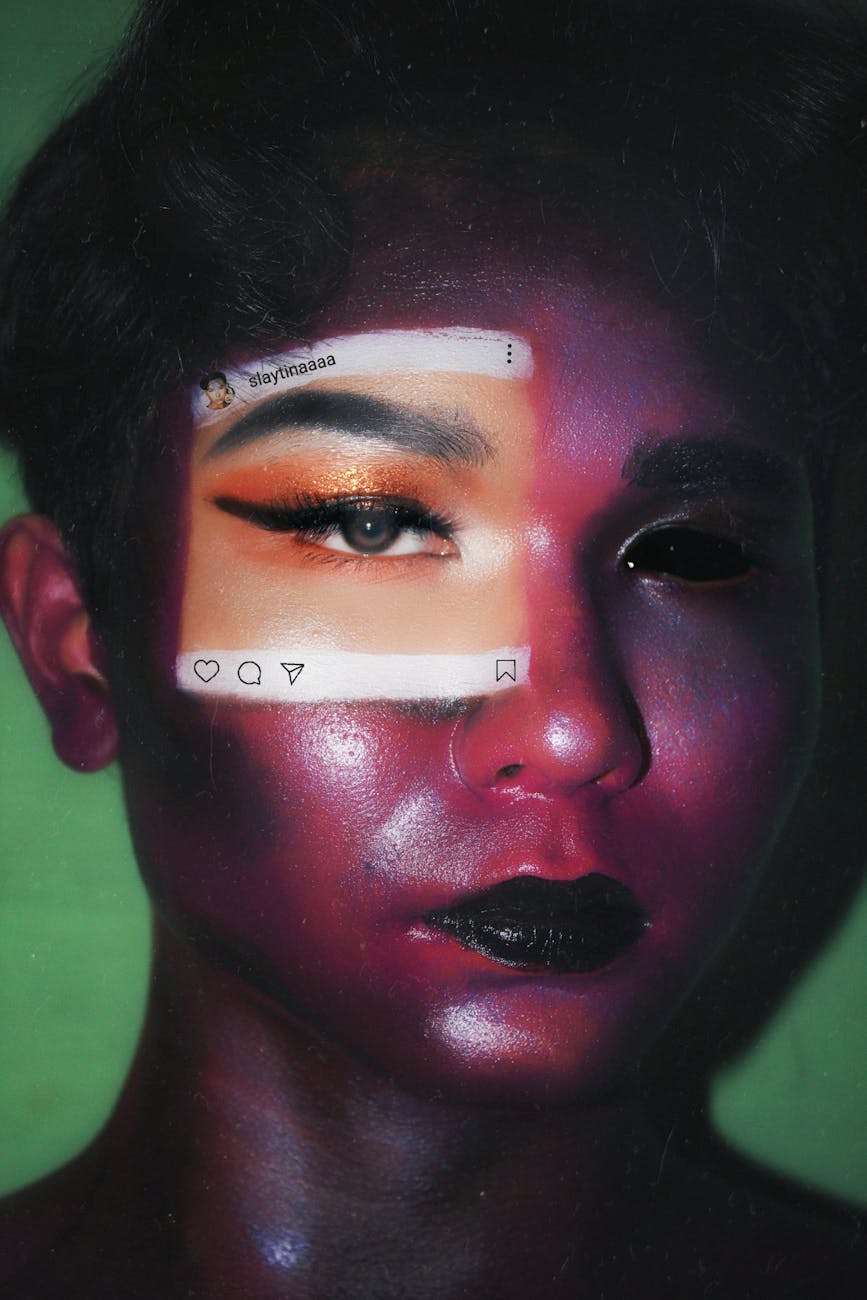
young ethnic woman with social network art on face

Snapchat Dysmorphia is not magically conceived, it builds up through a complex mix of technology, psychology, and constant comparison. When one looks deeper, they realize how almost everything online pushes us towards the “perfected” version of ourselves.

If you missed last week’s post on Snapchat Dysmorphia, here’s the link.

Today, we dive into the real causes... so, what exactly are they?

1. Filters Have Quietly Rewritten Beauty Standards
People used to bring celebrity photos to cosmetic clinics.
Now they bring their own filtered selfies.
Because it’s still “you,” with emotions deeply attached to that digital face…even where grossly realistic.

2. You Begin to Prefer Your Edited Self
The more you use filters, the more normal they feel.
Slowly, the unedited you becomes the stranger.

3. Social Media Rewards the Perfect Version of You
Every like, comment, and “You look amazing!” triggers dopamine, the brain’s reward chemical.
Your mind quickly learns: “People respond better to the filtered me.”
It becomes a quiet addiction.

4. You’re Surrounded by Perfect Faces All Day
Your feed is a highlight reel of flawless features. Even where one knows it’s edited, emotionally, the comparison still exists.
This isn’t vanity. It’s psychological conditioning.

Food for Thought
If social media suddenly showed only unfiltered faces for a week, would beauty standards shift…or would we panic?

Sit with that thought.

Next week, we’ll explore the real effects of Snapchat Dysmorphia, the emotional and mental ways it shows up in our daily lives.

Share the Post:

Main Article

Mid-week Market Review: November 2025, Edition 4

Leave a Reply

Your email address will not be published. Required fields are marked *

Related Posts

healing-therapy-2

Adult Bullying: “When Healing Becomes the Answer”

For the past two weeks, we have been exploring adult bullying, an uncomfortable reality that too often hides in plain sight. Unlike childhood bullying, it is subtler, disguised in sarcasm, exclusion, gossip, or the misuse of authority. Yet, its effect can be deep-wounding. At its core, bullying is: A repeated

Read More »
workplace-bullying

Adult Bullying: The Wounds We Don’t Talk About

Last week, we discussed adult bullying, how it doesn’t end in the playground. Those childhood bullies who never changed their ways grow into adult bullies, hunting for prey in workplaces, marriages, families, businesses, and even on the internet. To recap, bullying can be referred to as: Repeated hurtful or hostile

Read More »
adult-bullying

Adult Bullying: “Bullying Never Stopped in the Playground”

Bullying never really stopped in the playground or classroom. The children who once mocked, shoved, and humiliated their peers without ever changing their ways simply grew taller, put on suits, secured jobs, and carried those habits into adulthood. Becoming adult bullies. What is bullying?Bullying is not limited to just a

Read More »