

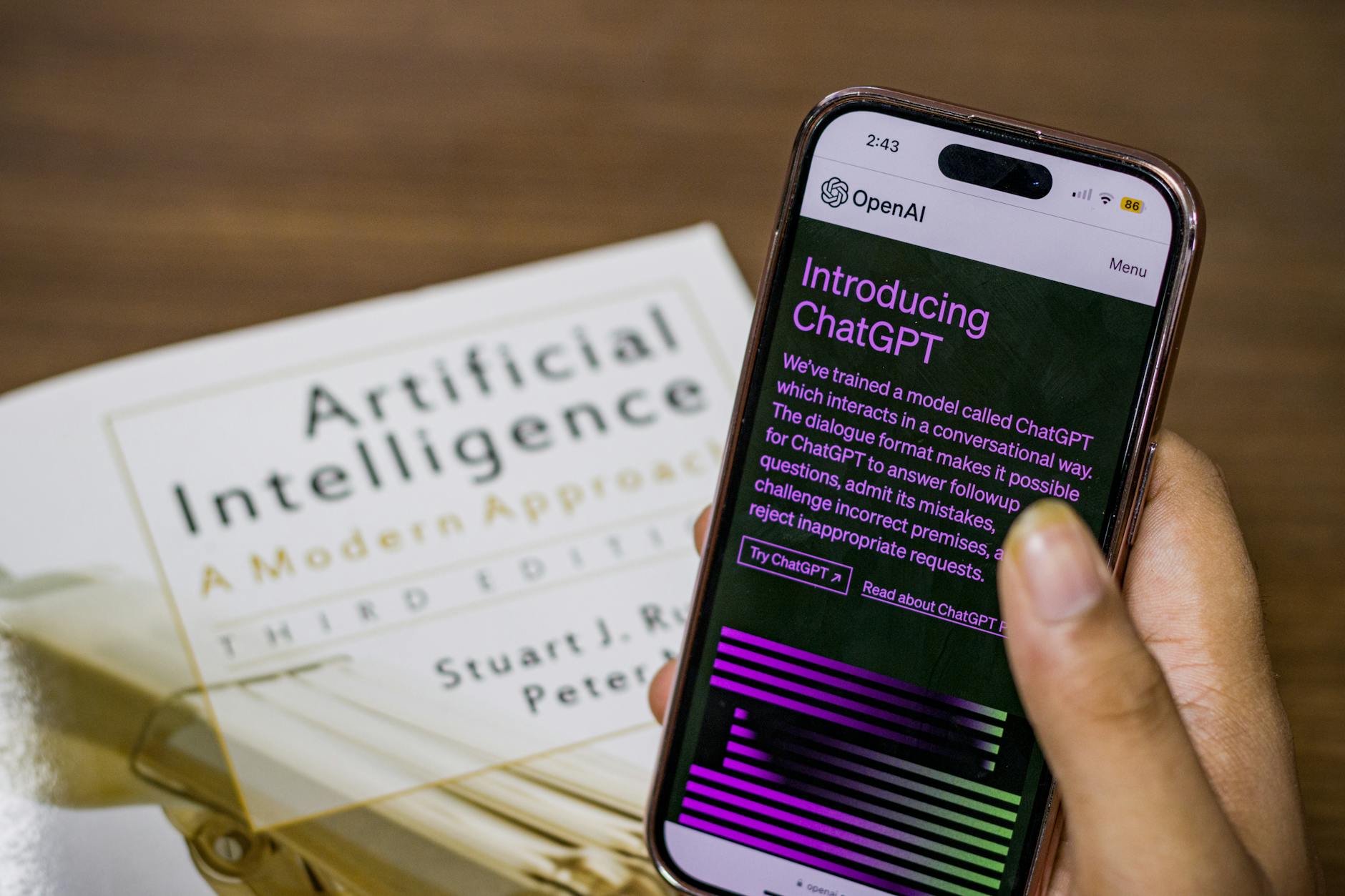
Artificial Intelligence (AI) is indisputably reshaping economies and social life globally. Nigeria stands at a pivotal point in determining how AI will be utilised. While AI has huge potential and presents great opportunities, unchecked utilisation of AI could have adverse effects, including data privacy infringements, loss of jobs, and misuse.
Balancing these interests is therefore sacrosanct. Consequently, Nigeria’s path to responsible AI regulation must be charted with foresight and adaptability, while leveraging insights from established global frameworks with solutions tailored to local realities.
Nigeria does not have a comprehensive AI-Specific legal framework. However, some existing laws indirectly govern aspects of AI use and deployment. Some of the legislations that governs the use of AI includes:
Other than the above-mentioned laws, there are also sector-specific laws, those based on intellectual property protection, general consumer protection, and other policies that will regulate AI usage and protect user rights. These include: the Central Bank of Nigeria Cybersecurity Framework 2024, the Copyright Act 2022, the Federal Competition and Consumer Protection Act, the Nigerian Communication Commission (NCC) Act, the National AI Strategy, amongst others.
From the preceding paragraphs, it is evident that there are several bodies that collaboratively govern the use of AI, including: NOTAP, NDPC, Federal and State Ministries of Technology/Communication, and sectoral regulators such as the Central Bank of Nigeria (CBN), Federal Competition and Consumer Protection Commission (FCCPC), Lagos State Consumer Protection Agency (LASCOPA), and the NCC. Nevertheless, NITDA and the Federal Ministry of Communications, Technology, and Innovation are the principal regulatory authorities overseeing artificial intelligence and broader technology development in Nigeria.
In 2020, the National Centre for Artificial Intelligence and Robotics (NCAIR) was established by NITDA. NCAIR was established to promote research, development, and adoption of AI, robotics, and 4IR technologies for economic growth, improved quality of life, and global competitiveness. Its mission is to drive Nigeria’s digital economy by promoting applied research, supporting startups, and facilitating the commercialization of advanced technologies that are part of the Fourth Industrial Revolution. NCAIR also provides training programs to build local expertise, advises the government on policy frameworks for emerging technologies, and offers infrastructure like fabrication labs to encourage prototyping and innovation. The NCAIR was established in line with the National Digital Economy Policy and Strategy.
In November 2023, Nigeria signed the Bletchley Declaration on AI. The Bletchley declaration is an international agreement signed by 28 countries during the AI Safety Summit held at the Bletchley Park, UK. Signatories to the declaration jointly committed to the ethical development and use of AI. The declaration amongst other things emphasized the following principles: recognising potential risks of unethical use of AI, promoting international cooperation to address risks, and balancing innovation and regulation.
Also in 2023, the Federal Ministry of Communications, Innovation, and Digital Economy announced plans to craft a comprehensive National AI Strategy. In August 2024, the Federal Government released its first National AI Strategy. The National Artificial Intelligence Strategy (2024) outlined a roadmap to harness AI for sustainable development, economic growth, and human well-being. It positioned the country as a continental leader by promoting ethical and inclusive innovation, strengthening digital infrastructure, investing in local talent through initiatives like NCAIR, and fostering global collaborations. The strategy emphasized a multi-stakeholder approach to ensure accountability and alignment with global best practices to transform Nigeria into an AI-driven economy.
The National AI Strategy was revised in September 2025. Setting out a vision to harness local expertise, inclusive innovation, and international partnerships for sustainable growth. It emphasizes strengthening competitiveness, improving social outcomes in key sectors, and advancing technological leadership. The strategy is built on five pillars (i.e. modern infrastructure, a dynamic ecosystem, broad adoption, ethical deployment, and sound governance) and outlines initiatives requiring collaboration across government, industry, and civil society. By highlighting accountability and risk management, it offers a practical yet ambitious framework for using AI to tackle national challenges and drive prosperity.
Currently, the proposed National Digital Economy and E-Governance Bill, 2025 establishes a comprehensive framework for regulating Nigeria’s digital ecosystem, with direct and indirect implications for Artificial Intelligence. The proposed bill seeks to: establish regulatory sandboxes for controlled testing and supervision of AI systems, ensure ethical use of AI, enumerate obligations of artificial intelligence agents, create avenues for classification of artificial intelligence depending on various factors, including risks to be mitigated, ensure risks arising from use of AI systems are dealt with and mitigated, regulate emerging technologies, amongst others. The proposed bill also prescribes fines of up to ₦10 million or about 2% of an AI provider’s annual revenue for failure to comply with the provisions of the bill and gives NITDA powers sufficient to effectively manage AI regulation and its evolving nature.
Nigeria’s journey toward responsible AI regulation is both urgent and inevitable. She should embrace a principled regulatory structure that safeguards constitutional rights, ensures ethical deployment, and builds trust in AI systems. By harmonizing existing laws with emerging frameworks, strengthening institutional capacity, and aligning with international best practices, Nigeria can position itself as a continental trailblazer in AI governance. The proposed National Digital Economy and E-Governance Bill represents a critical turning point and signals her readiness to regulate AI proactively.
Ultimately, Nigeria’s success will depend on striking the right balance between encouraging innovation while ensuring robust regulatory oversight. This is to ensure that citizens’ rights are protected, global standards are met, and that effective solutions are created. If achieved, Nigeria will safeguard its digital future, boost investments and participation in the sector, and set a precedent for responsible AI regulation across Africa.