
FROM ENTRY TO EXIT: A LEGAL AND REGULATORY FRAMEWORK FOR DE-RISKING PRIVATE EQUITY INVESTMENTS IN NIGERIA – Contd.

Nigerian private equity deals face regulatory, foreign exchange, corporate governance, and historic liability risks. Investors mitigate these exposures by setting regulatory approvals as conditions precedent, using political risk insurance, and securing Certificates of Capital Importation. Governance risks are controlled through reserved matters, board representation, and founder undertakings, while thorough due diligence and warranties protect against undisclosed liabilities.
FROM ENTRY TO EXIT: A LEGAL AND REGULATORY FRAMEWORK FOR DE-RISKING PRIVATE EQUITY INVESTMENTS IN NIGERIA

Private equity sponsors investing in Nigeria must navigate a multi-layered regulatory framework across corporate, competition, tax, and foreign exchange laws. De-risking investments requires selecting the right onshore or offshore entry vehicle, choosing appropriate debt or equity instruments, and strictly completing regulatory housekeeping from Corporate Affairs Commission filings and electronic Certificates of Capital Importation to relevant sector approvals to safeguard downside protections.
LEGAL INSIGHTS SERIES: Part 4

The Nigeria Revenue Service (NRS) issued new Guidelines on Virtual Asset Taxation in 2026, establishing clear standardized rules for a maturing market. They deconstruct the classification, valuation, and enforcement mechanisms for individuals, VASPs, and businesses, introducing token-native remittance and dollar-referenced gain computation while detailing mandatory compliance requirements for a shifting digital financial landscape.
LEGAL INSIGHTS SERIES: PART 3
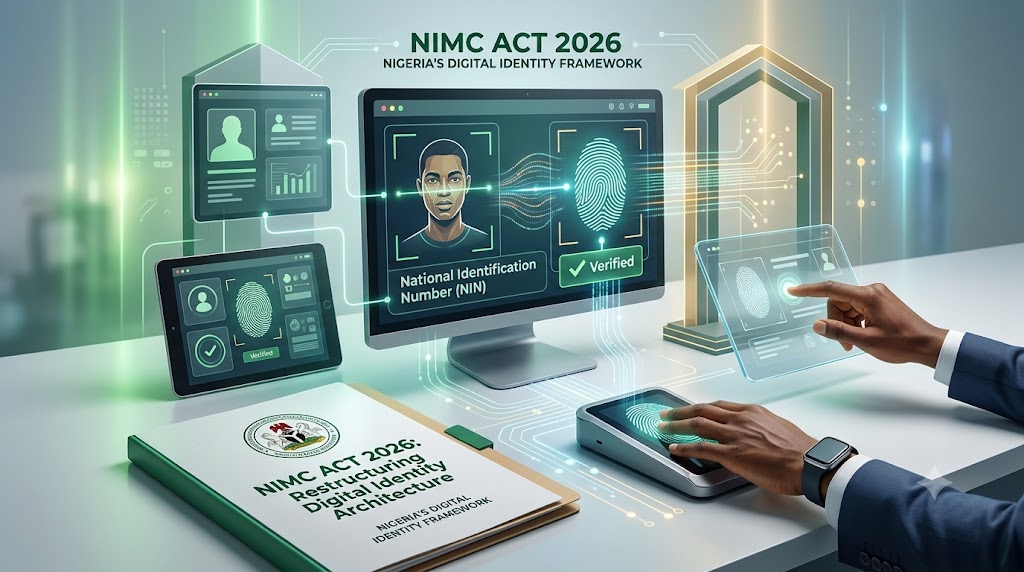
A flaw in the previous identity ecosystem was the fragmented, redundant collection of biometric data across disparate government bodies, including the Central Bank of Nigeria with its BVN system, the Federal Road Safety Corps (FRSC), the Nigerian Immigration Service (NIS), and the Independent National Electoral Commission (INEC). This siloed approach generated severe operational inefficiencies and imposed unnecessary burdens on both citizens and businesses, as inconsistencies persisted.
LEGAL INSIGHTS SERIES: ESTATE PLANNING IN NIGERIA: PART 2

This article explores the legal and emotional chaos of dying intestate (without a Will) in Nigeria. It highlights how statutory and customary laws dictate asset distribution, often triggering bitter family disputes, frozen assets, and business disruptions. Estate planning is essential to protect generational wealth and spare loved ones from administrative nightmares.
LEGAL INSIGHTS SERIES: ESTATE PLANNING IN NIGERIA: PART 1

This article emphasizes the importance of writing a Will in Nigeria, addressing misconceptions surrounding estate planning. A valid Will enhances asset control, designates executors, and guarantees guardianship for minor children. It outlines the legal framework for a valid Will, highlighting statutory limitations, and underscores the necessity of periodic updates and legal compliance to prevent disputes.
FREEZING BANK ACCOUNTS: LEGAL BOUNDARIES AND EMERGING TRENDS IN NIGERIA

Legally, the deposit of funds establishes a unique contractual relationship between a financial institution and its customer. As established in the locus classicus case of Foley v Hill, this dynamic is strictly that of a debtor and a creditor. The bank assumes ownership of the funds and contracts to repay an equivalent sum upon the customer’s mandate, giving rise to an implied duty of confidentiality and strict adherence to withdrawal instructions…
COMMENTARIES: LEGALITY & ENFORCEABILITY OF UNSTAMPED CONTRACTS IN NIGERIA

This article seeks to examine the legality and enforceability of unstamped contracts in Nigeria, and to state the relevant statutory provisions and their practical implications. In addition, it seeks to clarify whether non-compliance with stamping requirements merely affects admissibility in evidence or goes further to undermine the validity of the contract and to what extent such defects may be remedied.
Balancing Law & Economics in Electoral Reform: An Analysis of the Electoral Act 2026

Balancing Law & Economics in Electoral Reform: An Analysis of the Electoral Act 2026
Balancing Innovation and Oversight: Assessing Nigeria’s Emerging Framework for AI Regulation

Balancing Innovation and Oversight: Assessing Nigeria’s Emerging Framework for AI Regulation