
FED HIKE AND CRYPTO: WHY THE POLICY PATH MATTERS MORE THAN THE MOVE
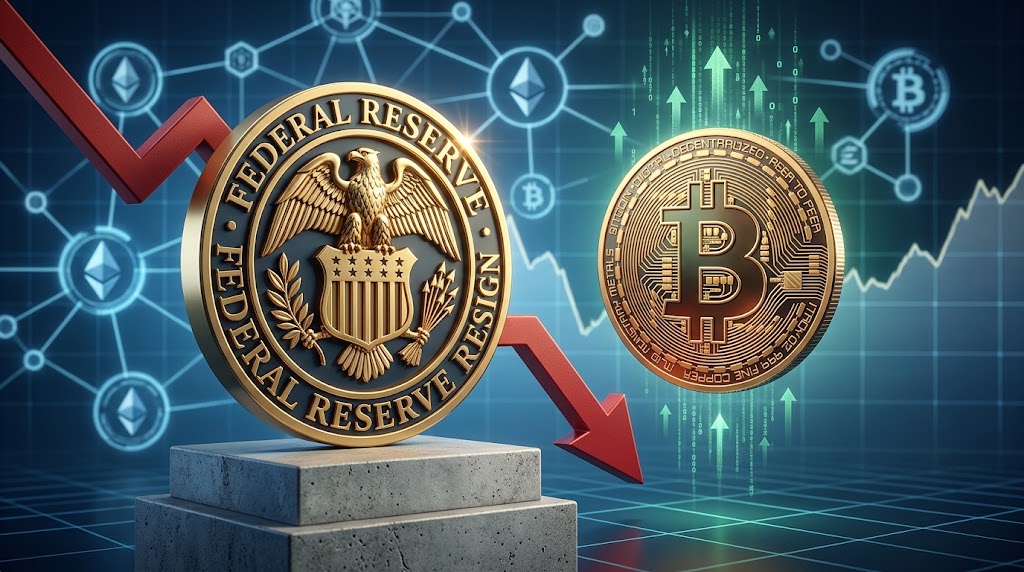
The U.S. Federal Reserve raised interest rates by 25 basis points to 3.75%–4.00%, signaling ongoing inflation concerns and potential future tightening. While higher borrowing costs typically exert pressure on risk assets like crypto, Bitcoin held steady near $76.5K. Investors are now focused less on the immediate rate hike and more on the Fed’s future policy path and broader market drivers.
FROM ENTRY TO EXIT: A LEGAL AND REGULATORY FRAMEWORK FOR DE-RISKING PRIVATE EQUITY INVESTMENTS IN NIGERIA

Private equity sponsors investing in Nigeria must navigate a multi-layered regulatory framework across corporate, competition, tax, and foreign exchange laws. De-risking investments requires selecting the right onshore or offshore entry vehicle, choosing appropriate debt or equity instruments, and strictly completing regulatory housekeeping from Corporate Affairs Commission filings and electronic Certificates of Capital Importation to relevant sector approvals to safeguard downside protections.
Institutional Liquidity Shuffles as Macro Resistance Holds

Digital assets face renewed macro pressure as U.S. 10-year Treasury yields topped 5% and the Senate stalled the Digital Asset Market Clarity Act. Despite falling token prices and volatile ETF flows, institutional investment remains resilient, driving sustained expansion across tokenized real-world assets, stablecoin settlement rails, and core market data infrastructure. Institutional liquidity is actively shuffling, prioritizing foundational financial architecture over short-term token speculative trading.
NIGERIA CONSUMER PRICE INDEX – AUGUST 2026

Nigeria’s inflation picture strengthened modestly in August 2026, with headline inflation easing marginally to 15.39% year-on-year from 15.43% in July. Month-on-month inflation slowed sharply to 0.71%, while annual food inflation dropped to 19.57%. Core inflation moderated to 13.29% YoY and entered slight monthly deflation at -0.06%, highlighting a broader slowing in price momentum across key economic sectors.
XRP: The Native Digital Asset of the XRP Ledger (XRPL)

**XRP** is the native asset of the XRP Ledger, an open-source, permissionless Layer-1 blockchain using a unique validator-based consensus mechanism. Designed for speed, low cost, and scalability, XRP serves as a bridge currency for cross-border payments, powers decentralized exchanges, and supports real-world asset tokenization. Beyond simple crypto transfers, the ecosystem provides robust financial infrastructure for global institutional adoption.
GBI-EM Edge: Africa and Nigeria’s Re-entry into Global Local-Currency Debt

The launch of J.P. Morgan’s GBI-EM Edge index, worth US$328 billion, formalizes investment in frontier local-currency debt. For Nigeria, this is a critical re-entry into a global benchmark with a significant 7.40% weighting. The move promises deeper liquidity and lower funding costs for Africa’s largest economy, provided it can maintain FX liquidity and macroeconomic credibility, connecting local debt to global portfolios.
Weekly Market Review: Restrictive Rates and Selective Repricing
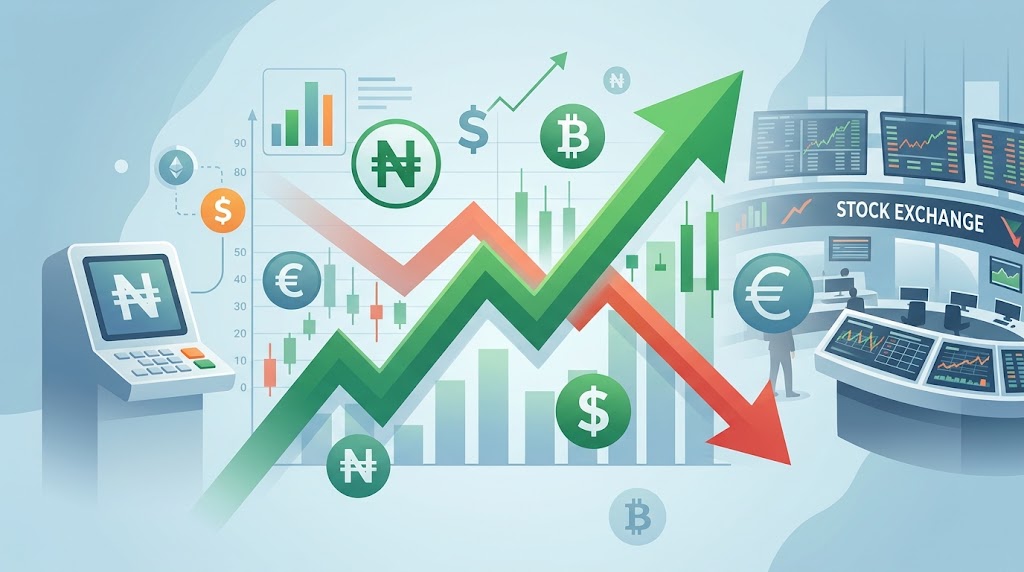
Nigeria’s financial markets saw strong fixed-income demand drive yield compression across OMO and treasury bills despite a 43.07% drop in system liquidity. The Naira appreciated to $/₦1,326.52, while the equities market declined 1.88% due to pre-IPO repositioning. Globally, sticky inflation and higher yields pressured markets as crude oil surged on Middle East supply concerns.
ESG MOVES FROM DISCLOSURE TO CAPITAL, COMPLIANCE AND EXECUTION

The ESG landscape is shifting from simple disclosure to active compliance, capital allocation, and operational execution. Anchored by domestic developments like green skill building in Nigeria and global trends linking climate exposure directly to financial risk, sustainability is no longer just a corporate messaging tool, it has become core market infrastructure driving investment, supply chain access, and corporate accountability.
The Crypto Repricing: Bitcoin, Macro Risk and the Rise of Institutional Rails
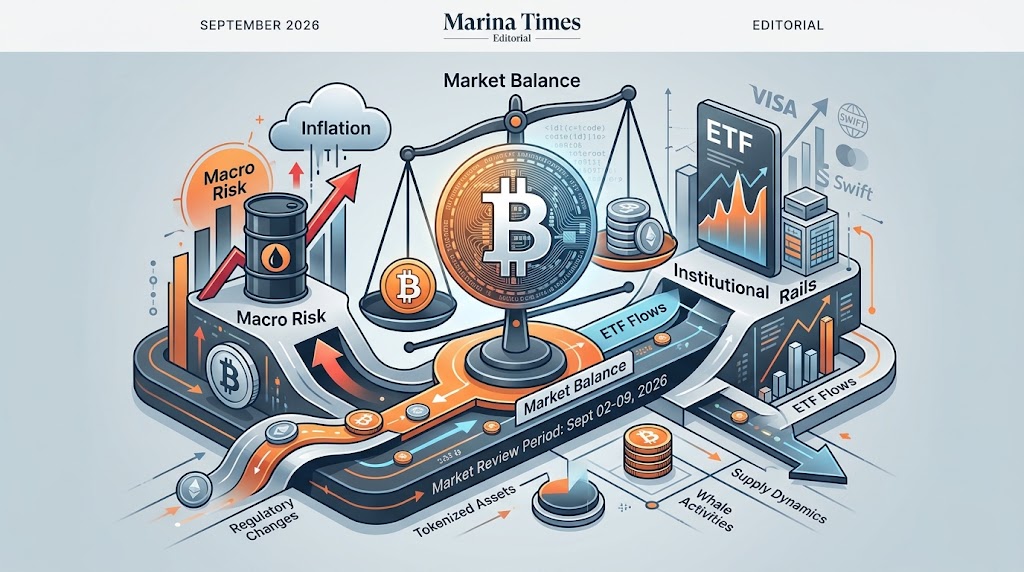
Digital asset markets held steady despite macro pressures from rising crude prices and potential Fed rate hikes. While Bitcoin stalled near $81,000, spot ETF inflows provided a solid floor. Capital continues to pivot toward institutional banking infrastructure, tokenized real-world assets, and prediction platforms, demonstrating market resilience amid macro uncertainty.
EXECUTIVE BRIEF: NIGERIA FOREIGN TRADE PERFORMANCE (Q2 2026)

Nigeria’s total merchandise trade reached ₦41,444.89 billion in Q2 2026, marking a 5.61% year-on-year increase driven by strong domestic exports and reduced import costs. The country’s merchandise trade surplus doubled to ₦12,596.86 billion. Increased local refining capacity significantly lowered fuel import reliance, though agricultural trade deficits and persistent inflationary risks remain key macroeconomic concerns.