
Craving Connection: A Self-Assessment for Love Addiction

self assessment

A love addiction self-assessment helps you to quietly reflect on whether your approach to love stems from genuine connection or from a deeper unmet need that feels like addiction, as I mentioned in my previous post.

Love addiction occurs when we become consumed by the idea of love itself. We cling so tightly to someone that our world begins to revolve around them… work, friendships, and even our health slowly fade into the background. And when the relationship ends, panic sets in, and the search for the next “fix” begins

If you missed the earlier posts on Love Addiction, you can click on the links: Part 1, Part 2, and Part 3

How to Use This Self-Assessment

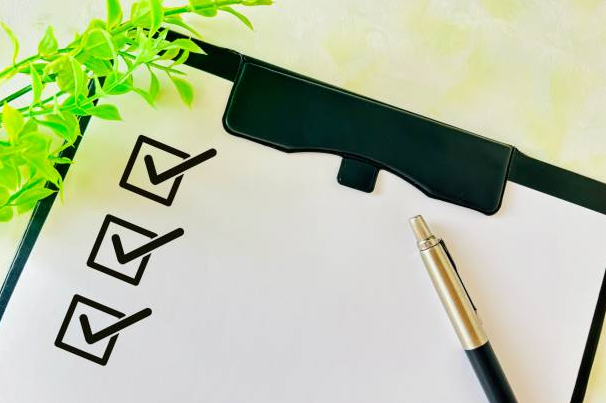
Take a moment with the questions below. Be honest with yourself as you reflect. Place a checkmark () or simply write Yes / No beside each statement.

Relationship Patterns

  • I repeatedly fall into hurtful, destructive relationships.
  • I tend to fall in love with, obsess over, or develop crushes on unavailable or avoidant individuals.
  • I rush into relationships too quickly without truly getting to know my partner.
  • I often get stuck in relationships that aren’t going anywhere (no direction or growth).
  • I am drawn to partners who cannot or will not love me in return.

Fantasy & Avoidance

  • I let fantasies replace real, grounded connections and relationships.
  • I crave intensity in relationships but fear true intimacy and real sharing/emotional vulnerability.
  • I have a tendency to use fantasy as a substitute for true love and intimacy.
  • I crave love, intimacy, or closeness but sometimes find myself sabotaging it at the same time.
  • My relationships often feel like a roller coaster of emotional highs and lows (mostly lows).

Fear of Abandonment

  • I panic at the thought of my partner not loving me and eventually abandoning me.
  • I fear my partner will find someone “better” than me.
  • I struggle to let go of a romantic relationship, even when I know it is bad for me.
  • I will say or do almost anything to avoid being alone.
  • During a breakup or divorce, I experience intense withdrawal symptoms (obsession, loneliness, despair, depression, loss of identity and a desperate need to re-establish contact).

Self-Worth & Dependency

  • I feel lonely, unhappy and incomplete when I am not in a relationship.
  • I often seek constant approval and reassurance from my partner to feel secure.
  • I rely on relationships to feel alive, valuable and worthy.
  • I struggle with loving myself and need validation from my partner to feel worthy.
  • I often idealize my partner, placing them on a pedestal while seeing myself as “less.”

Boundaries & Compromise

  • I frequently compromise my values and integrity just to avoid being alone or abandoned.
  • I find it difficult to set and maintain appropriate healthy boundaries in relationships.
  • I often take full responsibility for problems in my relationship or blame my partner entirely.
  • I tend to minimize or ignore obvious “red flags” such as addictions, destructive behaviours, unhealthy patterns, in my partner.
  • I tolerate ill or unacceptable behaviours in relationships.

Over-Investment & Control

  • I become so preoccupied with fulfilling my partner’s expectations that I lose touch with my own feelings/needs.
  • I often give too much or do too much in the relationship, while receiving less and less.
  • I disregard personal goals, needs, or values while focusing solely on the relationship.
  • I try to change, convince, or control my partner to fulfil my fantasy of who I want them to be.
  • I can become demanding, suffocating, or smothering in relationships.

Narcissistic Attraction

  • I seem to always find myself attracted to partners who are narcissistic or grandiose (“It’s all about them”).

Scoring & Reflection

  • 0–15: Likely healthy relationship patterns, though occasional reflection is helpful.
  • 16–30: Some signs of love addiction; consider exploring your attachment style and boundaries.
  • 31–45: Strong indicators of love addiction; it may be beneficial to seek support or therapy.

Food for Thought

Love is beautiful, but when it becomes a substitute for self-worth, it can quietly consume us.
If your relationships feel more like survival than connection, it may be time to pause and ask: Do I love from fullness or from fear?

Healing begins not with judgment, but with awareness. You deserve relationships that nourish, not deplete.
The most powerful love story you’ll ever live is the one you write with yourself.

Share the Post:

Main Article

Crypto Market Reset: Macro Pressures, Capital Rotation, and Institutional Repositioning

Leave a Reply

Your email address will not be published. Required fields are marked *

Related Posts

a grayscale photo of a boy sitting near the river while holding a wooden stick

Part 5: Who Are You? (The Joy of Living Authentically)

Authenticity is more than a philosophy; it’s a way of life. When you embrace your true self, you gain peace, resilience, and deeper connections. You stop trimming yourself to suit everyone else and start living with purpose. The rewards of authenticity are profound, and the journey is worth every step. 

Read More »
portrait of african child with woven hat in nigeria

Part4: Who Are You? (Authenticity in a World of Conformity)

Society loves conformity, it rewards those who fit in and punishes those who dare to be different. Yet, the greatest change-makers in history were those who lived authentically, even when it cost them acceptance. Living true to yourself in a conforming world requires courage, but it also brings freedom. Authenticity

Read More »
a woman in a red dress looking at herself in a mirror

Part 3: Who Are You? (The Journey Within… Steps to Self-Discovery)

Finding your true self isn’t about reinventing who you are; it’s about uncovering what’s already within you. Through reflection, questioning beliefs, embracing flaws, and rediscovering passions, one can begin the journey of self-discovery. The path may be challenging, but also liberating. Practical steps include: daily alone time, questioning belief systems,

Read More »