Financial markets are conditioned to price conflict faster than they price peace.
That is why the emerging agreement between the United States and Iran is being received with cautious optimism rather than conviction. Many analysts remain reluctant to fully rerate global expectations, arguing that the development represents a temporary pause rather than a durable geopolitical reset.
That caution is understandable.
But it may also overlook something important.
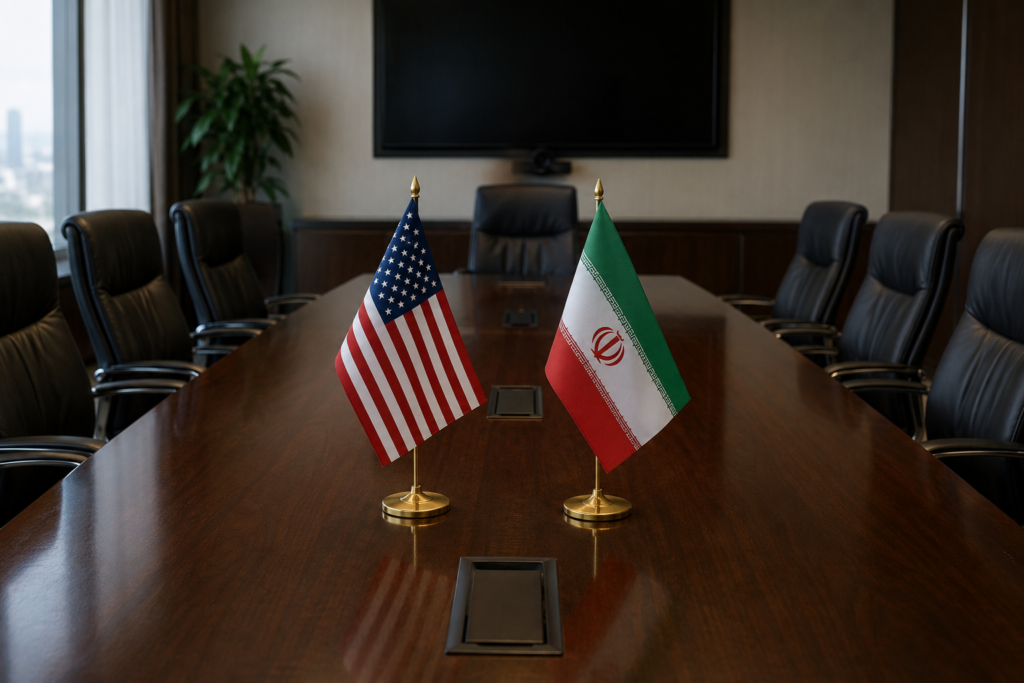
The significance of this moment is not merely the content of the agreement, it is the fact that two strategically opposed nations, after prolonged confrontation and repeated diplomatic breakdowns, have moved toward a common negotiating ground and a framework for de-escalation. Reports indicate the agreement includes commitments to halt hostilities and restore maritime activity around the Gulf while broader negotiations continue.
Markets often underestimate first agreements because they focus on permanence.
History suggests markets are equally shaped by direction.
Even if this agreement ultimately becomes a framework rather than a final settlement, it introduces something markets have lacked: the possibility of reduced geopolitical risk.
The immediate implications are difficult to ignore.
Lower perceived disruption risk around energy supply routes reduces embedded oil premiums. That creates downstream effects across inflation expectations, transportation costs, industrial input pricing, and monetary policy assumptions. Early market reactions already reflected easing pressure in crude pricing following signals of reopening around the Strait of Hormuz.
This move matters for Central Banks as well as Investors; a moderation in energy-driven inflation could reopen conversations around growth support rather than prolonged policy restriction. As capital tends to reward predictability more than perfection.
If de-escalation proves credible, markets may gradually move away from pricing geopolitical insurance and back toward pricing fundamentals, earnings, liquidity, productivity, and growth.
That does not mean a return to pre-war conditions is automatic, but it has set the stage for recovery.
The agreement still requires implementation, verification, and sustained political commitment, and unresolved issues remain embedded in future negotiations.
But markets rarely wait for certainty, they move when probability changes.
And perhaps that is the bigger story.
Peace is not valuable because it guarantees stability.
It is valuable because it makes stability investable again.