
PEPE: The Meme Token Turning Community, Liquidity and Speculation into Market Value

PEPE, an Ethereum-based ERC-20 memecoin inspired by the Pepe the Frog internet meme, was launched in April 2023. Positioned as a community-driven asset, its value is shaped by market demand, social-media attention, and speculation. With features like renounced contract ownership and no transaction tax, PEPE aims to establish itself among major meme-based cryptocurrencies like Dogecoin and Shiba Inu
Weekly Market Review: Nigeria’s Financial Markets Gain Momentum on Stronger Growth, FX Stability and Investor Demand

Nigerian financial markets entered September 2026 with strong momentum, driven by 4.43% Q2 GDP growth, Naira appreciation to $/₦1,321.22, and rising foreign reserves. Easing fixed-income yields and sustained primary auction demand reflect high investor conviction. Meanwhile, the NGX ASI rose 2.36% WTD ahead of Nigeria’s return to the FTSE Russell Frontier Market index.
G20 2026: NAVIGATING GLOBAL GROWTH, DEBT AND FINANCIAL FRAGMENTATION

The G20 Finance Ministers and Central Bank Governors meeting in Asheville focused on boosting global potential growth, managing public debt, and strengthening fiscal resilience. With disinflation stalling and economic fragmentation growing, key discussions centered on debt restructuring frameworks, non-market trade policies, cross-border payment integration, and regulatory frameworks for emerging financial innovations such as artificial intelligence and digital assets.
NIGERIA’S Q2 2026 GDP: GROWTH ACCELERATES, BUT INDUSTRIAL WEAKNESS PERSISTS

Nigeria’s real GDP grew by 4.43% year-on-year in Q2 2026, up from 3.89% in Q1, driven by non-oil sector strength in agriculture and services alongside higher crude output. However, persistent contractions in electricity supply and sluggish manufacturing performance underscore ongoing structural challenges, highlighting the need for sustained industrial policy support to secure long-term stability.
PART 8: MARKET CYCLE IN CRYPTOCURRENCY
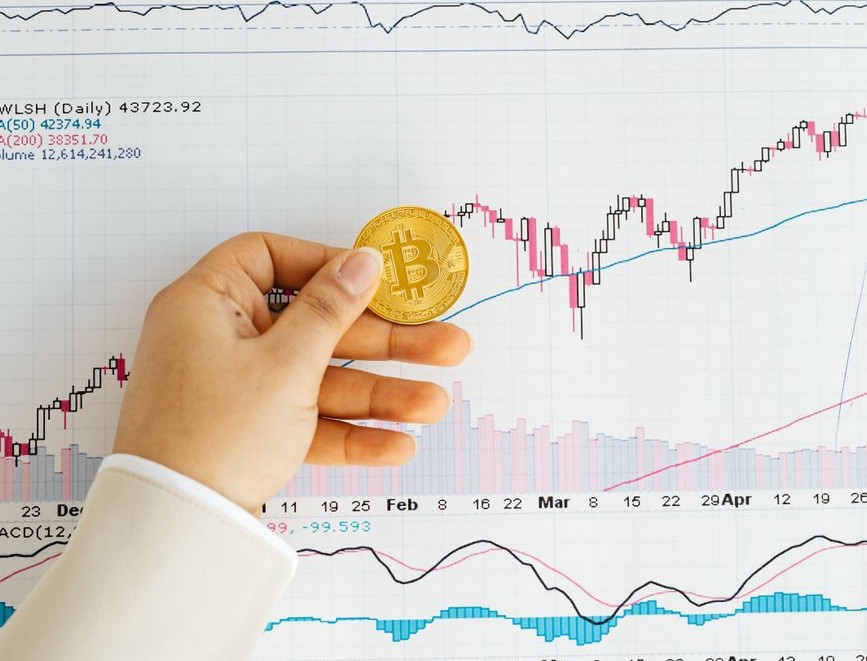
Understanding market cycles in cryptocurrency provides a critical framework for identifying shifting trends and managing risk effectively. The full cycle spanning accumulation, mark-up, distribution, and mark-down reflects evolving supply, demand, and investor sentiment. While macro factors and volatility can alter timelines, recognizing these distinct phases helps investors navigate market swings and make more informed strategic decisions.
The Cost of Eating Well: Why Nigerians Need a Protein Savings Plan

As food inflation drives up the cost of essential proteins like fish, Nigerian households are forced to reduce portions and sacrifice nutritional quality. Rather than simply settling for cheaper substitutes, creating a dedicated “protein savings plan” a daily or weekly sinking fund can help families consistently afford nutritious, high-protein meals despite rising market prices.
The Federal Reserve Hawkish Tone, Iran Tensions, and Institutional Flows Reshape Bitcoin and Altcoins

A hawkish tone from Federal Reserve Chair Kevin Warsh, combined with rising U.S.-Iran tensions and crude oil price spikes, has triggered a broad repricing of market risk. Despite single-day crypto ETF outflows and selling pressure across traditional assets, Bitcoin showed structural resilience near $77,500. Meanwhile, institutional flows shifted into Ethereum, and Solana advanced key disinflationary network governance.
BONK: Consolidation, Ecosystem Expansion and the Search for Direction

BONK continues to consolidate within the Solana ecosystem, transitioning from a high-volatility meme token into a community-driven Web3 asset with over 350 on-chain integrations. As price action stays bound between critical support and key supply levels, market participants are looking for sustained volume and structural breaks to confirm its next directional move.
Weekly Market Review: Naira Strengthens, Fixed-Income Yields Ease and NGX Rebounds on FTSE Reclassification
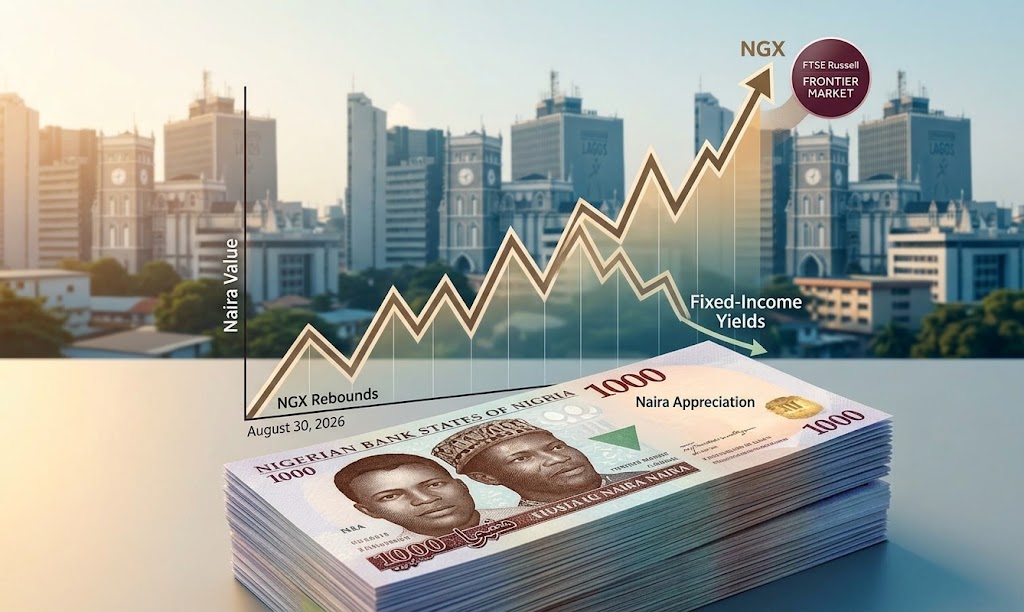
Nigerian markets saw a significant shift in August 2026. The Naira strengthened, while fixed-income yields eased on strong primary market demand. Concurrently, the equities market rebounded on news of Nigeria’s return to the FTSE Russell Frontier Market status. This combination of factors led to a more selective investor approach, moving towards defensive assets, liquidity, and yield in a cautious global environment.
Part 7 (Contd.): Smart Money and Market Structure
This article explores the core concepts of smart money and market structure in cryptocurrency trading. It highlights how analyzing price sequences, supply and demand zones, volume, and on-chain data provides institutional market evidence. Finally, it emphasizes essential risk management principles alongside the Securities and Exchange Commission’s evolving regulatory frameworks for Nigerian digital asset traders.