
Efficient Market Hypothesis (EMH) in Cryptocurrency – Wrap Up

To wrap up the series: The Efficient Market Hypothesis does not mean you cannot profit in cryptocurrency; it highlights that consistently beating the market using known information is difficult. Crypto markets often feature inefficiencies due to thin liquidity or extreme behavior. True advantage comes from separating a strong project from an overpriced token, managing risk, and understanding what is already priced in.
Bitcoin, Ethereum and Altcoins Face Macro Pressure as Institutional Adoption Accelerates
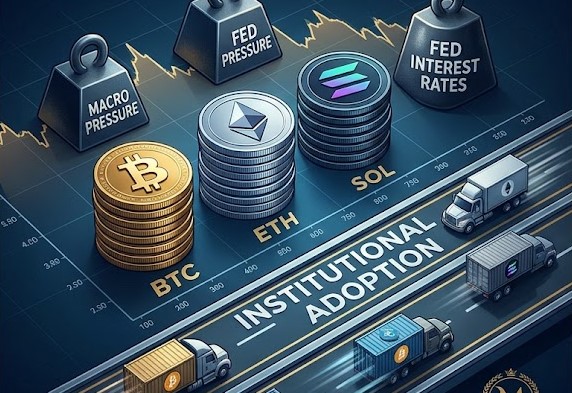
Crypto markets consolidated as investors positioned ahead of the Federal Reserve’s October 2026 interest rate decision. While macro pressures weighed, the structural institutionalisation of digital assets advanced with significant milestones, including final OCC approval for Ripple National Trust Bank and the BlackRock-SBI yen-backed stablecoin alliance.
Efficient Market Hypothesis (EMH) in Cryptocurrency – Cont’d
Continued from last update: Cryptocurrency markets are not entirely efficient due to liquidity differences, unequal information access, human psychology, and fragmented trading venues. While technical analysis cannot reliably predict future prices, it helps traders manage risk and define entries and exits. Similarly, on-chain data offers insights, but it cannot definitively predict market intent.
Efficient Market Hypothesis (EMH) in Cryptocurrency
The Efficient Market Hypothesis (EMH) posits that asset prices fully reflect all available information. This article explores EMH in the volatile cryptocurrency market, where information moves rapidly but inefficiency persists. It details the three forms of EMH—weak, semi-strong, and strong—offering lessons on the limitations of technical analysis, public news, and insider information for consistently achieving excess returns.
BITCOIN HOLDS THE LINE, ALTCOINS FALTER AS CRYPTO ENTERS A NEW INSTITUTIONAL CYCLE

Bitcoin displayed resilience as institutional flows returned to ETFs, holding above key support. However, Ethereum and most altcoins remained weak as capital selectively favored assets and themes tied to institutional infrastructure, tokenization, and stablecoin payments rather than broader speculation. While the long-term structural signal of institutional adoption is bullish, the near-term strategic market requires a price and flow confirmation above $84,000 for a confirmed trend change.
POLKADOT: AN INTEROPERABLE, MULTI-CHAIN BLOCKCHAIN INFRASTRUCTURE

Polkadot is an interoperable, multi-chain blockchain infrastructure. It operates as a Layer-0 protocol, enabling specialized blockchains (parachains) to share security and communicate through Cross-Consensus Messaging (XCM). Its core utility includes staking, governance, and purchasing ‘Coretime’ for block production. Significant tokenomics changes in 2026 introduced a hard supply cap and reduced annual DOT issuance, positioning it as a long-term investment focused on shared infrastructure and scalability within the Web3 ecosystem.
Crypto Market Weekly Report

The global cryptocurrency market experienced downside volatility amid macroeconomic pressures, geopolitical risk premiums, and $679 million in spot Bitcoin ETF outflows, contracting total market cap to $1.67 trillion. Meanwhile, a hardware wallet supply chain security exploit triggered retail concerns. Despite these short-term derivative liquidations and structural headwinds, institutional banking integration, corporate treasury accumulation, and Layer-1 blockchain advancements continued accelerating toward long-term digital asset adoption.
CYBER: Can AI and Web3 Drive its Next Growth Cycle?

Cyber, originally CyberConnect, is a Web3 project integrating decentralized social networking with crypto-focused AI, including a research and trading interface. This update explores its ecosystem, tokenomics, and long-term potential for investors, balancing its innovative intersection of AI and Web3 against risks like token unlocking, competition, and market volatility. While offering growth, it remains a speculative HODL investment
A REFERENCE GUIDE TO UNDERSTANDING THE MARKET BEFORE YOU INVEST

This reference guide synthesizes the Cryptocurrency Learning Series to help investors navigate digital asset markets effectively. By covering global macroeconomic influences, blockchain fundamentals, technical analysis, risk management, smart money movements, and market cycles, the guide provides a structured framework. It emphasizes critical evaluation, thorough research, and risk awareness over speculative trading, enabling readers to build conviction and make informed capital decisions.
Bitcoin $87K Resistance Test: Institutional Plumbing Over Speculative Hype

The crypto market entered October with Bitcoin testing $87,000 behind renewed institutional demand and infrastructure developments, including BNY Mellon-Kraken integration talks and SEC custody rule proposals. In contrast, Ethereum struggled to maintain momentum above $2,700 despite technical updates like the Glamsterdam testnet upgrade. Meanwhile, the shutdown of Layer-2 network Blast highlighted growing market pressure for economic sustainability over speculative hype.