
EXECUTIVE BRIEF: NIGERIA FOREIGN TRADE PERFORMANCE (Q2 2026)
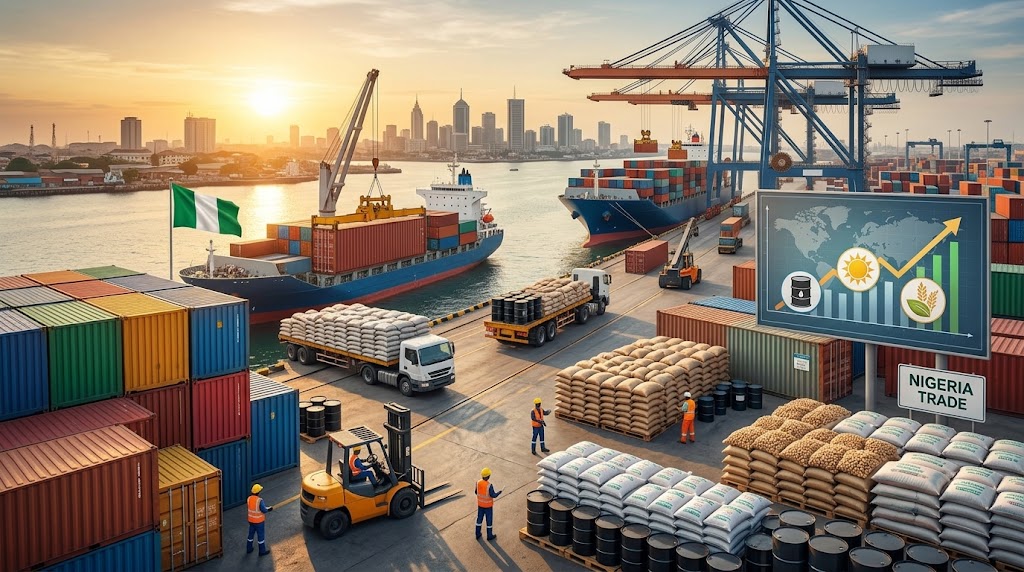
Nigeria’s total merchandise trade reached ₦41,444.89 billion in Q2 2026, marking a 5.61% year-on-year increase driven by strong domestic exports and reduced import costs. The country’s merchandise trade surplus doubled to ₦12,596.86 billion. Increased local refining capacity significantly lowered fuel import reliance, though agricultural trade deficits and persistent inflationary risks remain key macroeconomic concerns.
G20 2026: NAVIGATING GLOBAL GROWTH, DEBT AND FINANCIAL FRAGMENTATION

The G20 Finance Ministers and Central Bank Governors meeting in Asheville focused on boosting global potential growth, managing public debt, and strengthening fiscal resilience. With disinflation stalling and economic fragmentation growing, key discussions centered on debt restructuring frameworks, non-market trade policies, cross-border payment integration, and regulatory frameworks for emerging financial innovations such as artificial intelligence and digital assets.
NIGERIA’S Q2 2026 GDP: GROWTH ACCELERATES, BUT INDUSTRIAL WEAKNESS PERSISTS

Nigeria’s real GDP grew by 4.43% year-on-year in Q2 2026, up from 3.89% in Q1, driven by non-oil sector strength in agriculture and services alongside higher crude output. However, persistent contractions in electricity supply and sluggish manufacturing performance underscore ongoing structural challenges, highlighting the need for sustained industrial policy support to secure long-term stability.
The Cost of Eating Well: Why Nigerians Need a Protein Savings Plan

As food inflation drives up the cost of essential proteins like fish, Nigerian households are forced to reduce portions and sacrifice nutritional quality. Rather than simply settling for cheaper substitutes, creating a dedicated “protein savings plan” a daily or weekly sinking fund can help families consistently afford nutritious, high-protein meals despite rising market prices.
Understanding the J.P. Morgan Government Bond Index (GBI): Why It Matters for Global Bond Markets

This article explores the J.P. Morgan Government Bond Index (GBI), a crucial benchmark for global fixed-income markets. Since 1989, it has tracked sovereign bond performance in both developed and emerging economies. Understanding its measurement criteria including price movements, coupon income, and currency fluctuations as well as the stringent rules for country and bond inclusion, is vital for investors, asset managers, and policymakers navigating the global debt landscape.
Nigeria Needs a VARA: Building the Regulatory Foundation for Africa’s Digital Asset Future

Nigeria must create a dedicated Virtual Assets Regulatory Authority to manage growing digital asset use. Clear, risk‑based rules especially for stablecoins, exchanges and custody would protect consumers, support innovation, reduce remittance costs and attract investment. A tailored VARA can coordinate existing agencies while enabling tokenisation, fintech sandboxes and safer digital finance and promote stability.
BEYOND CAPITAL ATTRACTION: POSITIONING NIGERIA AND AFRICA IN AN ERA OF FRAGMENTED INVESTMENT

The World Investment Report 2026 reveals a global shift toward selective, strategically driven capital. While developed nations attract heavy investments through industrial policies, Africa and Nigeria face regional divergence and structural constraints. To compete, they must move past traditional low-wage models and prioritize structural reforms, energy reliability, and regional AfCFTA integration.
Geopolitical and Military Lessons for Nigeria and Africa from the 2026 North Atlantic Treaty Organisation (NATO) Ankara Summit

The July 2026 NATO Summit in Ankara marked the launch of “NATO 3.0,” emphasizing aggressive defense industrialization and an increase in security spending to 4% of GDP. This shift offers lessons for Nigeria and Africa, advocating for domestic defense production, strategic logistics improvements, and regional independence from foreign military reliance.
AI Could Open Africa to Itself. First, It Has to Stop Guessing.
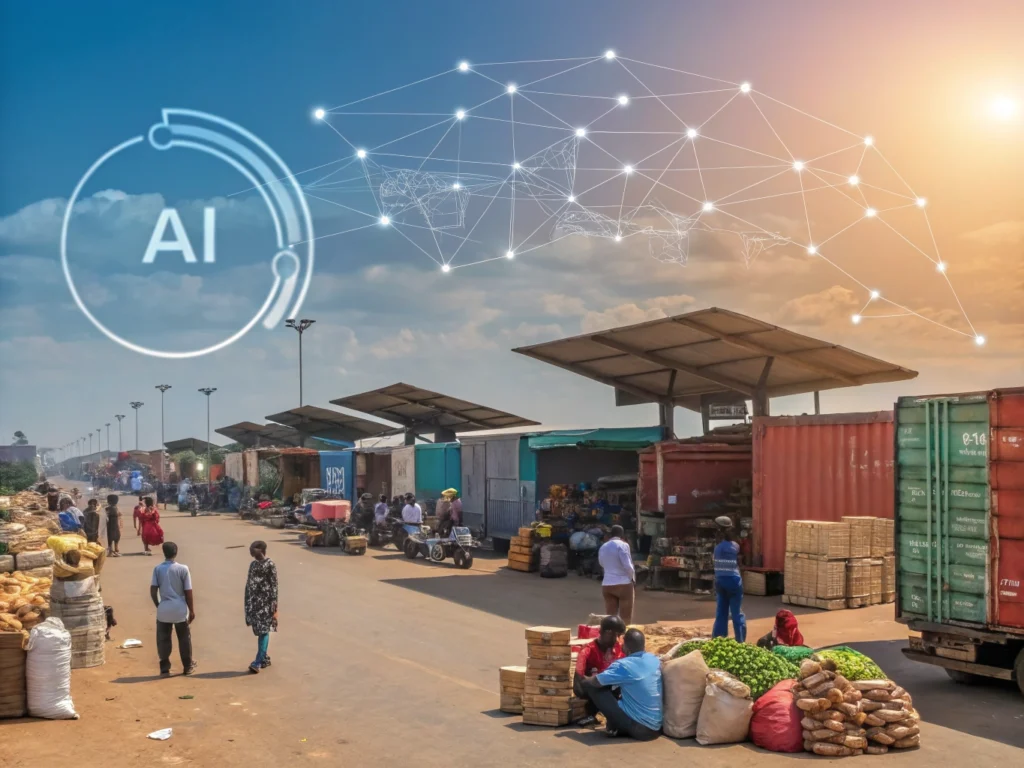
Artificial intelligence (AI) has the potential to transform African trade by navigating complex legal systems. However, current AI tools are limited, often misinterpreting unfamiliar standards and increasing costs. A new approach emphasizing shared legal principles could enhance trade efficiency, enabling better understanding and communication across diverse systems.
Nigeria’s FX Market Finds Firmer Ground, but Durable Stability Remains a Work in Progress
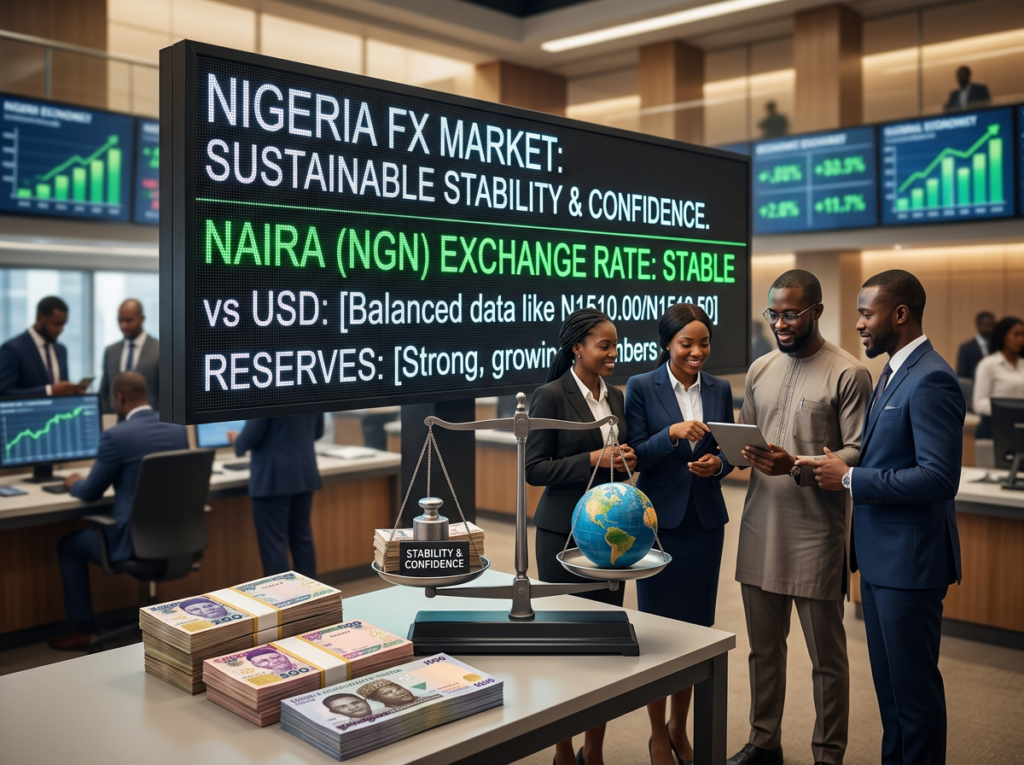
Nigeria’s foreign exchange market showed significant improvement in the first half of 2026, with the NFEM rate stabilizing at US$/₦1,372.41 by July, a notable recovery from early January levels. The market experienced enhanced liquidity, tighter trading ranges, and increased turnover, indicating a shift towards more functional operations despite lingering volatility risks.