
World Economic Forum (WEF) Summer Davos 2026: The Great Shift from Innovation to Economic Execution
The WEF’s expansion of the Global Lighthouse Network to 238 advanced manufacturing and supply-chain facilities demonstrates that AI has moved beyond experimentation. Leading firms are no longer testing AI; they are rebuilding operating systems around it. The significance lies in how AI is being deployed…
ARADEL Q1 2026: A DUAL-CURRENCY STORY OF SCALE, STRENGTH, AND ACCOUNTING DYNAMICS

The Group reported revenue of ₦728.5 billion in Q1 2026, compared with ₦199.9 billion in Q1 2025, representing significant year-on-year (YoY) expansion. This increase is consistent with a broadened operational footprint following consolidation activities and higher production-related activity across the value chain…
Highlights of the 2026 G7 Summit: Convergence, Coordination and the Near-Term Economic Reset

Hosted for 3 days, from June 15-17, 2026 under France’s presidency, introduced what leaders repeatedly framed as a model of “convergence,” expanding discussions beyond the traditional G7 circle to include partner economies such as Brazil, India, Kenya, Egypt, and South Korea, alongside multilateral institutions and private sector actors…
Beyond the Ceasefire: Why the U.S.–Iran Agreement May Matter More Than Markets Admit

The significance of this moment is not merely the content of the agreement, it is the fact that two strategically opposed nations, after prolonged confrontation and repeated diplomatic breakdowns, have moved toward a common negotiating ground and a framework for de-escalation…
The Brazzaville Turn: Africa’s Financial Sovereignty Moves from Rhetoric to Reality
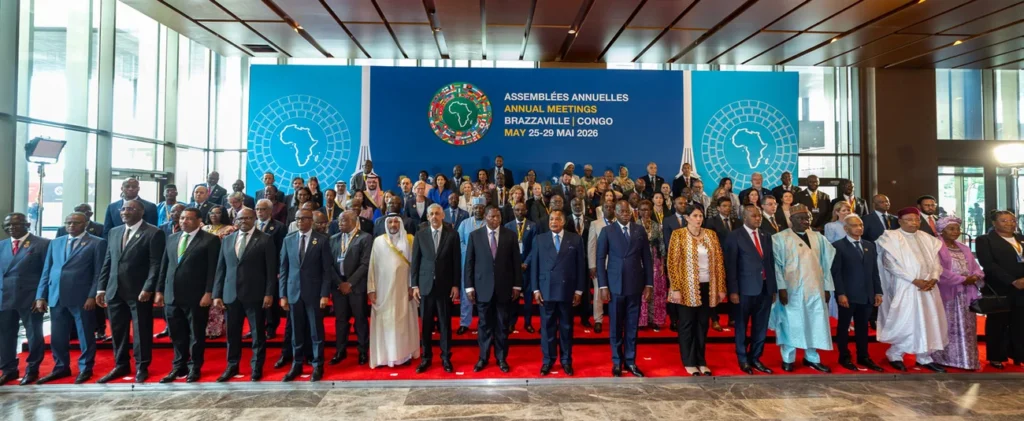
NAFAD addresses a stark economic irony: while Africa faces an estimated $400 billion annual development financing gap, the continent simultaneously sits on roughly $6 trillion worth of natural resources and over $4 trillion in underutilized domestic savings and assets held across banks, pension funds, and sovereign wealth funds.
From Bitcoin Experiment to Global Financial Infrastructure: The Rise of Cryptocurrency Adoption and Regulation
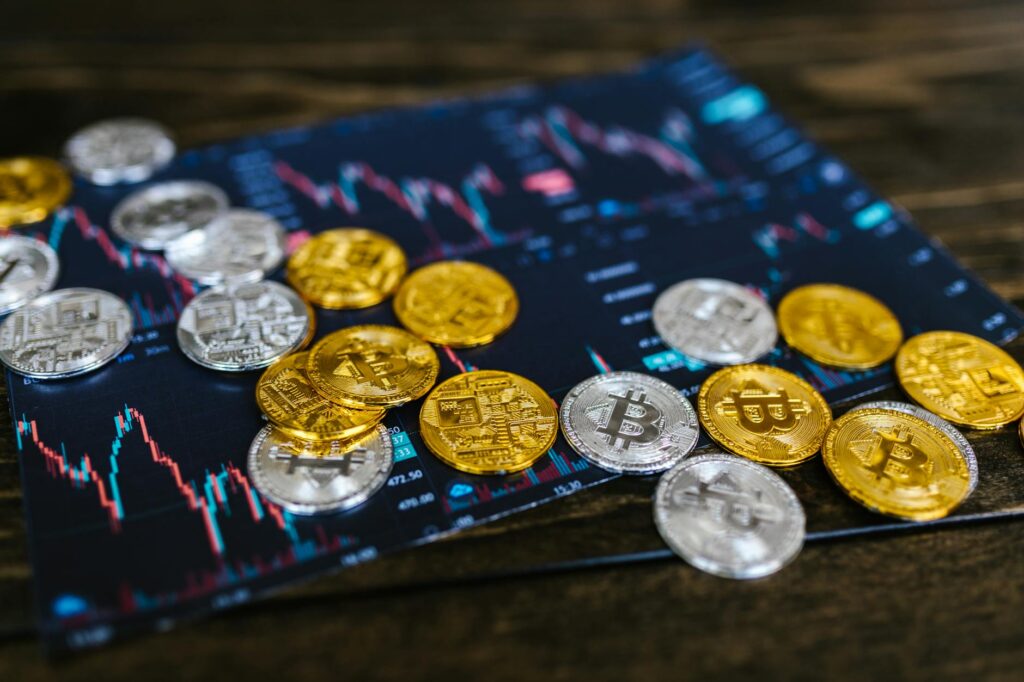
Emerging markets continue to play a defining role in adoption. Countries facing currency instability, inflationary pressures, and payment inefficiencies are increasingly turning to digital assets as alternatives for value preservation and financial access.
Cryptocurrency Exchanges in 2026: The Invisible Infrastructure Powering the New Financial Order

Despite its debut launch in 2009, they have evolved into critical financial infrastructure, functioning as liquidity engines, institutional gateways, derivatives hubs, custody providers, and increasingly, regulated bridges between traditional finance and tokenized capital markets.
The Silicon Race: How Lithography Became the Engine Room of the AI Economy
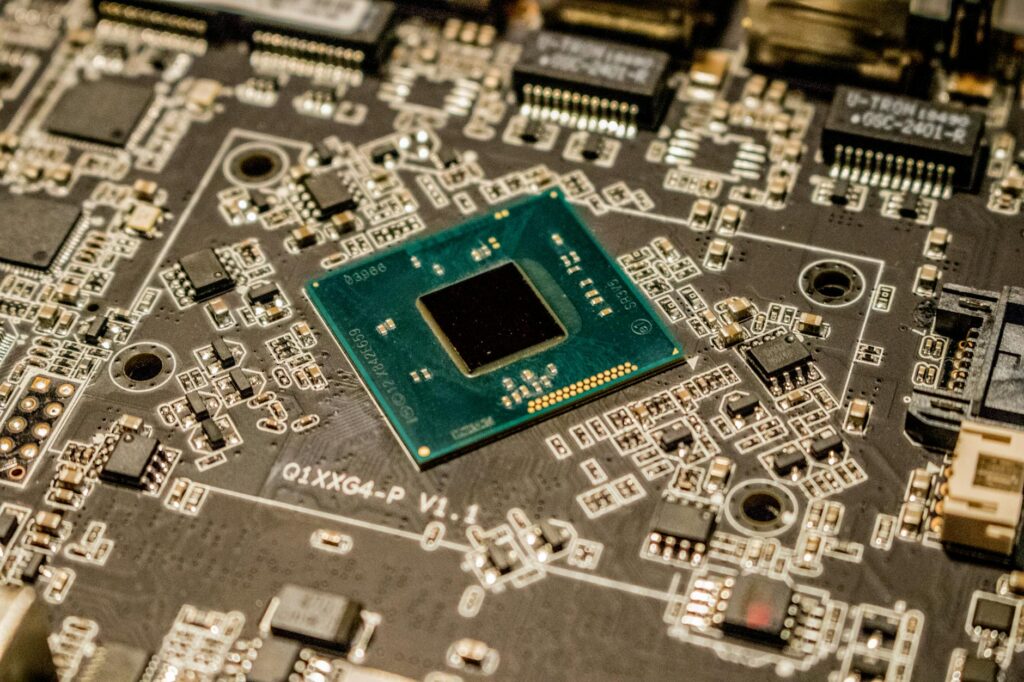
From generative AI systems and autonomous vehicles to defence systems and hyperscale cloud infrastructure, the global AI boom is accelerating demand for increasingly advanced chips. At the centre of this transformation lies one of the world’s most complex manufacturing technologies: Extreme Ultraviolet (EUV) lithography…
Africa’s Stock Markets: From Fragmentation to Force
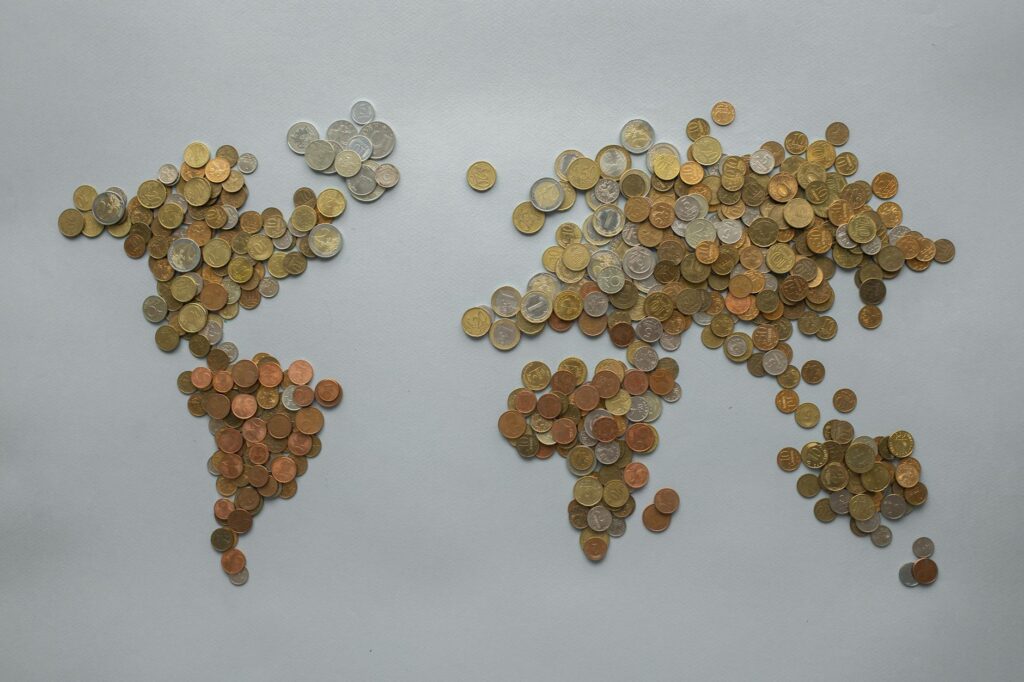
The age of Africa’s exchanges highlights endurance through political transitions, economic cycles, and structural reforms. However, longevity has not consistently translated into scale.
The Illusion of Stability: Davos, the IMF, and the Fracturing of the Global Economy
Trade is no longer governed by efficiency alone, but by alignment. Supply chains are being redrawn, not for cost optimization, but for geopolitical security.