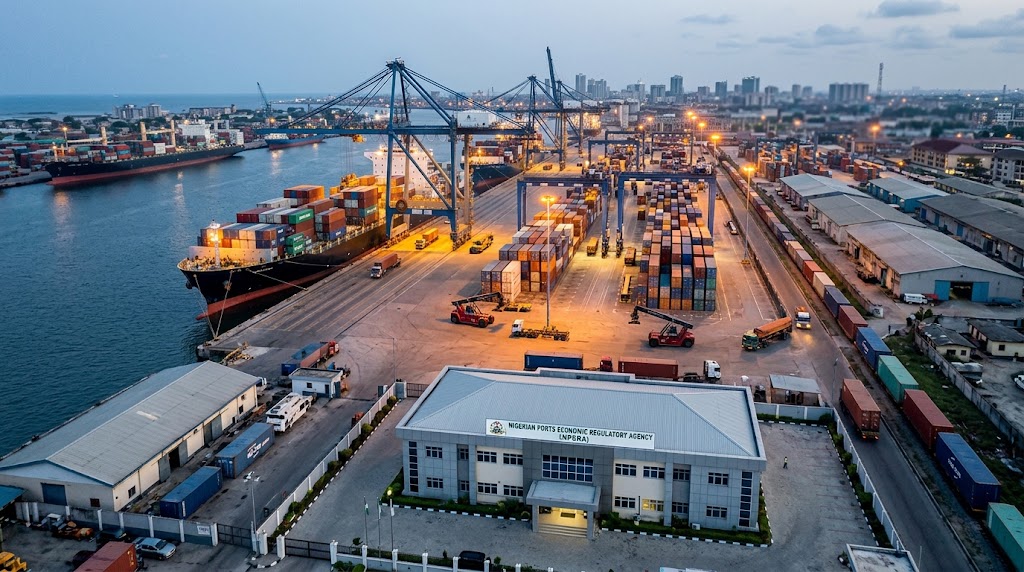
As earlier stated, Section 4(2) states that the Agency must perform its functions in a manner not in contravention of the legal instruments implemented by other agencies and must help facilitate compliance with them. Although NPERA frames its role as an economic regulator alongside NPA’s landlord/infrastructure mandate, five primary statutory overlaps create potential jurisdictional friction:
Nevertheless, the Federal Government has begun sorting responsibilities administratively. The Minister of Marine and Blue Economy, Adegboyega Oyetola, has directed that the inland dry port functions of the Shippers’ Council move to the NPA. He also directed the constitution of a Ministerial Committee to oversee the transition of the NSC into NPERA. The Act still lists inland dry port operators among regulated providers; as such, the transfer does not remove them from NPERA’s economic oversight.
The enactment of the Nigerian Ports Economic Regulatory Agency (NPERA) Act 2026 represents a historic milestone in Nigeria’s maritime evolution. By transitioning the Nigerian Shippers’ Council into a statutory economic regulator with clear legal authority, the Act achieves a long-sought separation between the operational and landlord oversight of the Nigerian Ports Authority (NPA) and independent economic supervision.
However, the ultimate success of this legislative reform hinges on its practical execution. As the new framework takes effect, deliberate care must be taken during the implementation phase to prevent inter-agency friction and eliminate potential jurisdictional clashes between NPERA, the NPA, and other maritime authorities. Clarifying administrative boundaries will be paramount to avoiding regulatory duplication and added cost burdens for operators.
If implemented through transparent guidelines, clear inter-agency alignment, robust digital monitoring, and close synergy with the NPA, NPERA will significantly lower the cost of doing business, streamline trade processes, and affirm Nigerian ports as the premier maritime hub for West and Central Africa.