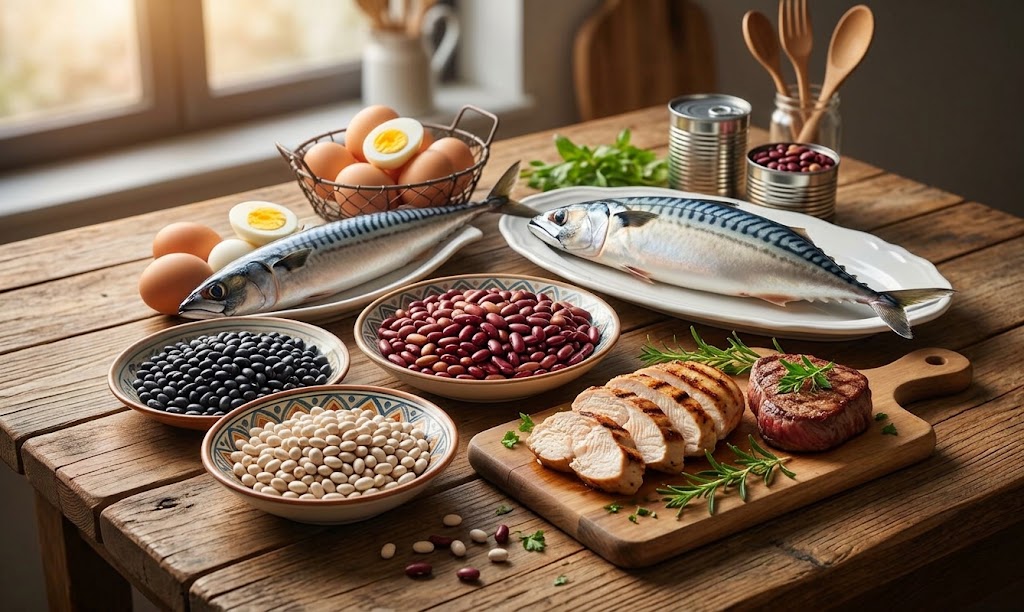
The real cost of Nigeria’s food inflation is not merely what households pay at the market; it is what they are forced to remove from the pot. As the price of fish and other protein rises, families are not simply switching brands or fish species; they are reducing portions, buying less frequently and, increasingly, prioritising calories over nutritional quality. When income cannot keep pace with food prices, the Nigerian household does not just consume less; it consumes differently.
The numbers explain why. According to Nairametrics’ June 2026 Food Price Survey, the price of Titus (mackerel) in Lagos rose 92.86%, from ₦7,000 to ₦13,500 per kilogram between May and June 2026. The survey covered Mushin, Daleko, Oyingbo and Mile 12 markets and attributed the increase to factors including reduced imports, higher cold-chain logistics costs and stronger demand. By July, Nairametrics’ market survey showed Titus fish (Atlantic mackerel – Scomber sp.) easing marginally to ₦13,000 per kilogram, but still significantly above its May level. This sharp repricing helps explain why households are increasingly buying smaller quantities, switching to cheaper protein sources or removing fish from some meals altogether.
That is the deeper concern behind the substitution of Titus and other relatively expensive fish with cheaper alternatives. The problem is not that every cheaper food is nutritionally inferior. Kpanla, sardines, eggs, beans, and other affordable proteins can all contribute meaningfully to a healthy diet. The danger lies in shrinking dietary diversity because protein has become an item that must be sacrificed whenever the household budget tightens.
This is why the conversation should move beyond the familiar advice to “buy cheaper.” The more useful question is: how can households deliberately save for better nutrition before food inflation consumes the available income?
A simple answer is staggered saving: a small, deliberate food fund built daily or weekly for protein purchases. A household that wants to spend ₦10,000 on fish every two weeks, for example, can set aside roughly ₦700 a day or ₦5,000 a week. The objective is not to insist on Titus at all costs, but to create a predictable pool of money that allows the family to buy a meaningful quantity of protein when needed, rather than waiting for whatever cash remains after other expenses.
This is essentially a household sinking fund for nutrition. It turns protein from an occasional purchase into a planned expense. It can also encourage smarter purchasing: buying in larger quantities when prices are favourable, rotating between fish, eggs and legumes, and avoiding the gradual erosion of nutritional quality that occurs when every meal is determined by the day’s cash balance.
The idea may sound modest against Nigeria’s larger inflation problem, but behavioural discipline matters when purchasing power is under pressure. A family that saves ₦1,000 consistently is not solving food inflation; it is creating a small buffer against it.
Ultimately, however, households cannot be expected to carry the entire burden. Persistent food inflation reflects deeper problems involving transport, storage, cold-chain infrastructure, agricultural productivity and purchasing power. Better logistics and stronger domestic food production remain essential if nutritious protein is to become broadly affordable.
The central issue, therefore, is not whether Nigerians should buy Titus or its cheaper substitutes. It is whether rising food costs are quietly turning nutrition into a luxury. If families must progressively remove protein from their meals to balance the household budget, inflation has moved beyond the market. It has entered the kitchen, and eventually, the country’s human capital.