
Yield Repricing, Stronger Liquidity Signals, and Rising Global Risk Shape Investor Sentiment

Nigeria’s financial markets experienced mixed signals, featuring declining equities, strong demand for long-dated OMO instruments, and a gradual firming of fixed-income yields. Despite a boosted economic outlook and rising foreign reserves, persistent yield uncertainty, inflation risks, and geopolitical volatility shaped investor sentiment. This weekly review analyzes key domestic and global market movements, auction dynamics, and upcoming macroeconomic events.
Weekly Market Review: A Tale of Two Realities Across Global and Local Frontiers

In the week ended October 2, 2026, Nigeria’s financial markets maintained a delicate balance with currency gains and rising reserves offsetting sticky bond yields and equities selling following GTCO’s H1 earnings. Internationally, tech and artificial intelligence mega-caps propelled equities past historic bond yield pressure, while crude oil and gold prices eased as investors weighed geopolitical risks and changing interest rate expectations.
Nigeria’s Markets Enter a New Repricing Regime: Bonds Price Rally, Equities Gain, Naira Strengthens

Nigeria’s financial markets entered a decisive repricing phase following the Central Bank of Nigeria’s 350 bps rate cut to 23.00%. Yields compressed sharply across fixed-income instruments, while the Naira strengthened slightly to $/₦1,329.51. Equities extended gains to a 62.01% year-to-date return, bolstered by FTSE Russell re-inclusion. Meanwhile, substantial upcoming liquidity inflows of over ₦10 trillion are set to drive further yield direction.
CBN Delivers 350bps Rate-Cut Reset as Nigeria’s Monetary Policy Cycle Turns

Marina Times Market Update | CBN 307th MPC Policy Decision Watch
The Central Bank of Nigeria (CBN) has delivered a bold 350bps rate cut, slashing the Monetary Policy Rate from 26.50% to 23.00% at its 307th MPC meeting. Marking the largest rate reduction of the current cycle, this decisive move signals a shift toward monetary easing. Key liquidity ratios remain unchanged, placing the focus on fixed-income yield compression and policy transmission.
Between Repricing and Resilience: Nigeria Markets Navigate Global Tightening and Domestic Recovery

Nigeria’s financial markets closed the week on a note of cautious optimism. Easing domestic inflation to 15.39%, currency firming to $/₦1,331.20, and inclusion in the J.P. Morgan GBI-EM Edge index boosted sentiment and bond demand. However, secondary fixed-income yields resisted further compression. Meanwhile, equities recovered 2.78% as global markets navigated Middle East geopolitical tensions, oil price swings, and central bank rate decisions.
FED HIKE AND CRYPTO: WHY THE POLICY PATH MATTERS MORE THAN THE MOVE
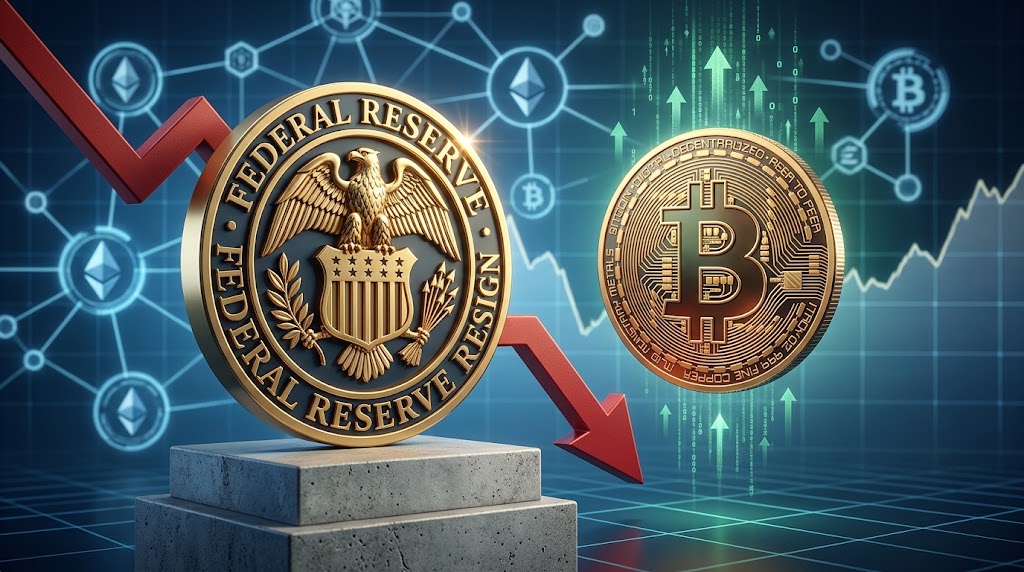
The U.S. Federal Reserve raised interest rates by 25 basis points to 3.75%–4.00%, signaling ongoing inflation concerns and potential future tightening. While higher borrowing costs typically exert pressure on risk assets like crypto, Bitcoin held steady near $76.5K. Investors are now focused less on the immediate rate hike and more on the Fed’s future policy path and broader market drivers.
GBI-EM Edge: Africa and Nigeria’s Re-entry into Global Local-Currency Debt

The launch of J.P. Morgan’s GBI-EM Edge index, worth US$328 billion, formalizes investment in frontier local-currency debt. For Nigeria, this is a critical re-entry into a global benchmark with a significant 7.40% weighting. The move promises deeper liquidity and lower funding costs for Africa’s largest economy, provided it can maintain FX liquidity and macroeconomic credibility, connecting local debt to global portfolios.
Weekly Market Review: Restrictive Rates and Selective Repricing

Nigeria’s financial markets saw strong fixed-income demand drive yield compression across OMO and treasury bills despite a 43.07% drop in system liquidity. The Naira appreciated to $/₦1,326.52, while the equities market declined 1.88% due to pre-IPO repositioning. Globally, sticky inflation and higher yields pressured markets as crude oil surged on Middle East supply concerns.
The Crypto Repricing: Bitcoin, Macro Risk and the Rise of Institutional Rails
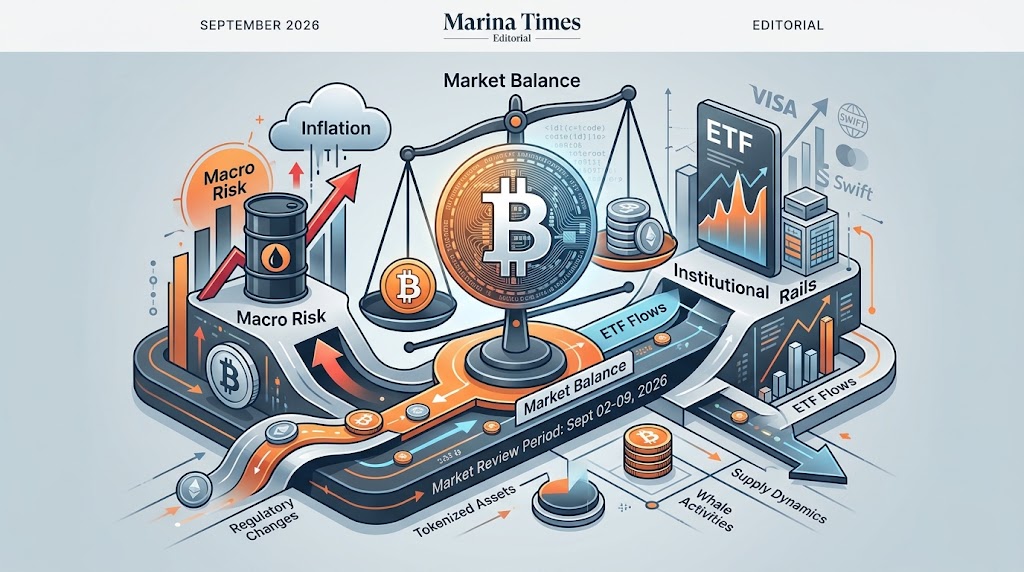
Digital asset markets held steady despite macro pressures from rising crude prices and potential Fed rate hikes. While Bitcoin stalled near $81,000, spot ETF inflows provided a solid floor. Capital continues to pivot toward institutional banking infrastructure, tokenized real-world assets, and prediction platforms, demonstrating market resilience amid macro uncertainty.
Weekly Market Review: Nigeria’s Financial Markets Gain Momentum on Stronger Growth, FX Stability and Investor Demand

Nigerian financial markets entered September 2026 with strong momentum, driven by 4.43% Q2 GDP growth, Naira appreciation to $/₦1,321.22, and rising foreign reserves. Easing fixed-income yields and sustained primary auction demand reflect high investor conviction. Meanwhile, the NGX ASI rose 2.36% WTD ahead of Nigeria’s return to the FTSE Russell Frontier Market index.