
KGeN: Artificial Intelligence (AI) meets market momentum
Launched via its Token Generation Event on October 7, 2025, KGeN (KGEN) integrates blockchain, AI, gaming, and digital identity into a decentralized reputation infrastructure. Natively built on Aptos and issued as a BEP-20 token, it features a community-driven vision. Currently holding a market capitalization of around US$38 million, its daily chart displays defined support and resistance zones amid highly bullish community sentiment.
Market Pulse: Resilience Amid Policy Discipline and Global Headwinds

Nigeria’s financial markets demonstrated resilience, driven by improving macroeconomic fundamentals, robust liquidity management, and rising external reserves despite global headwinds. While headline inflation slowed marginally to 15.91 percent, crude oil output reached a long time high. Investors actively monitor inflation, liquidity, and upcoming central bank policy signals very closely now.
FIGHT: A Web3 Combat Sports Ecosystem Under the Spotlight
FIGHT is a Solana Web3 combat sports token developed by Concept Labs in partnership with the UFC. This decentralized ecosystem features Fight.ID, providing users with a secure on-chain digital identity. Boasting a US$6.45 million market cap, this project successfully connects active global fans and professional fighters through advanced blockchain technology.
LEGAL INSIGHTS SERIES: ESTATE PLANNING IN NIGERIA: PART 1

This article emphasizes the importance of writing a Will in Nigeria, addressing misconceptions surrounding estate planning. A valid Will enhances asset control, designates executors, and guarantees guardianship for minor children. It outlines the legal framework for a valid Will, highlighting statutory limitations, and underscores the necessity of periodic updates and legal compliance to prevent disputes.
The Future Beneath the Price: Structural Forces Reshaping Digital Asset Markets
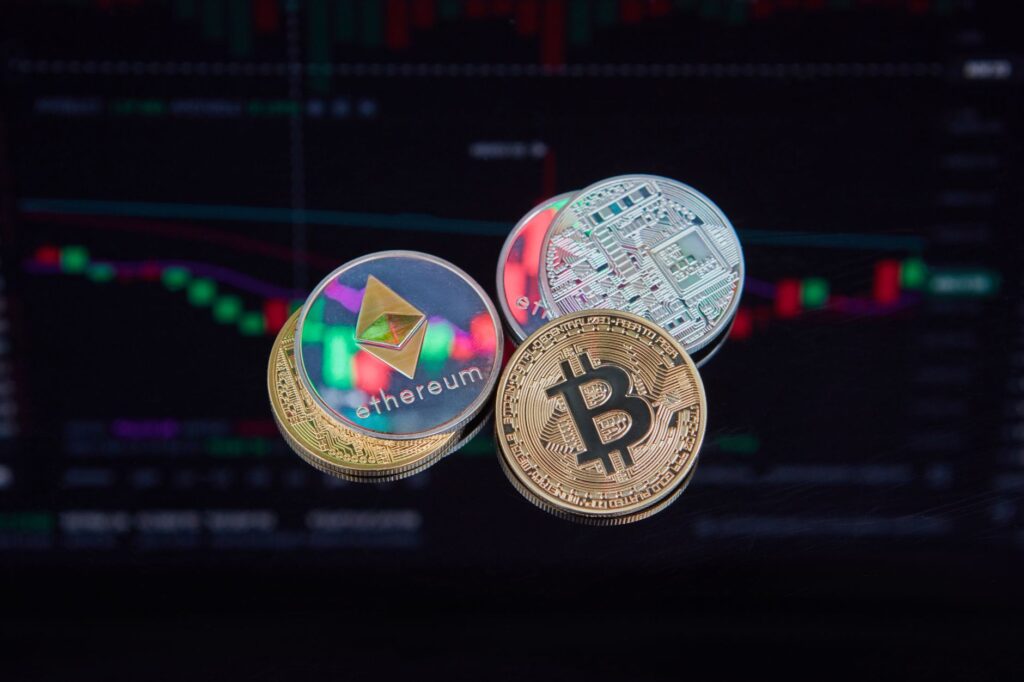
In mid-July 2026, the cryptocurrency market faces challenges, with Bitcoin stabilizing around $63,000 and Ethereum struggling between $1,780 and $1,870. Regulatory adaptations and innovations, particularly in quantum-resistant technology, are key focus areas. Institutional interest remains cautious amid mixed market sentiment and significant liquidity management trends observed among leading firms.
Aster (Previously Astherus): Ecosystem Aligns with Market Momentum

Aster, a next-gen decentralized exchange launched in September 2025, utilizes a high-performance Layer 1 blockchain for efficient crypto trading. As of July 2026, it has a market cap of $1.7 billion and supports trading across multiple blockchain networks. Aster offers advanced features while focusing on privacy and accessibility for users.
Market Pulse: Liquidity, Repricing and Risk Appetite Shape a Defining Week
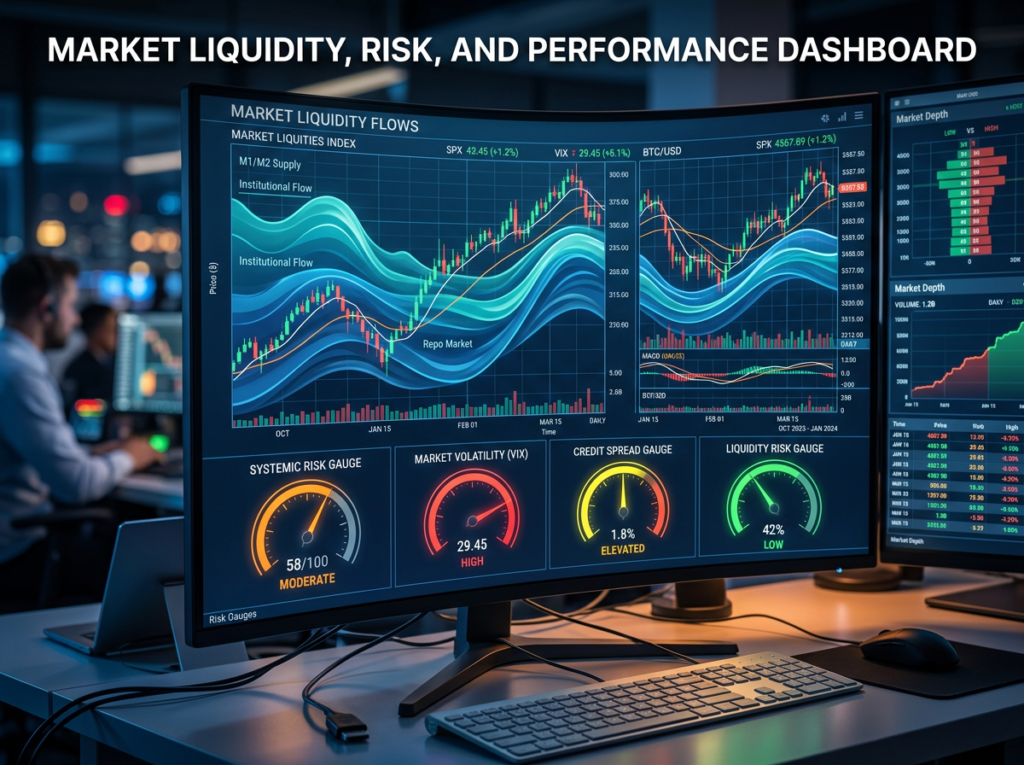
During the week ending July 10, 2026, Nigeria’s financial markets showed optimism with easing fixed income yields and strong demand for government securities. The Naira strengthened, supported by stable foreign exchange reserves. The equities market rebounded, reflecting improved investor sentiment, while global economic conditions, particularly inflation and geopolitical risks, remained a concern.
Geopolitical and Military Lessons for Nigeria and Africa from the 2026 North Atlantic Treaty Organisation (NATO) Ankara Summit

The July 2026 NATO Summit in Ankara marked the launch of “NATO 3.0,” emphasizing aggressive defense industrialization and an increase in security spending to 4% of GDP. This shift offers lessons for Nigeria and Africa, advocating for domestic defense production, strategic logistics improvements, and regional independence from foreign military reliance.
RECALL: Artificial Intelligence (AI) meets market momentum
RECALL, launched in October 2025, is a decentralized skill marketplace on Base Blockchain, connecting AI agents, developers, and users. It has around 30,640 holders, a market cap of $10.29 million, and enables monetization of AI skills as digital assets. The token exhibits a bullish outlook with critical price levels identified for trading.
AI Could Open Africa to Itself. First, It Has to Stop Guessing.
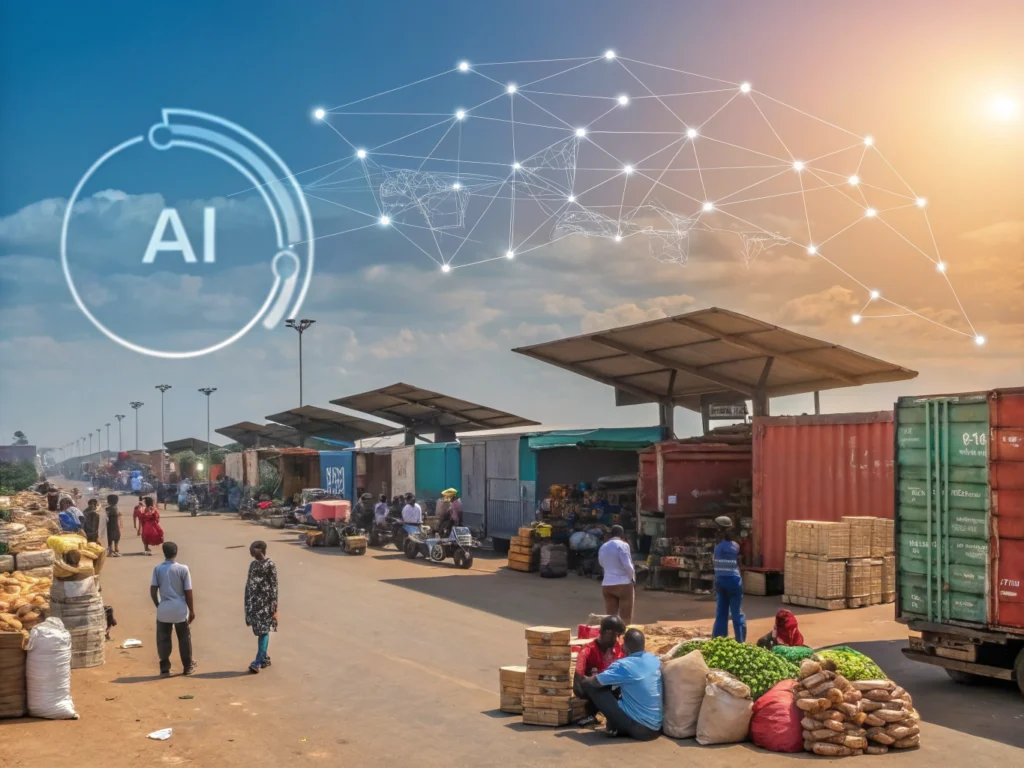
Artificial intelligence (AI) has the potential to transform African trade by navigating complex legal systems. However, current AI tools are limited, often misinterpreting unfamiliar standards and increasing costs. A new approach emphasizing shared legal principles could enhance trade efficiency, enabling better understanding and communication across diverse systems.