
FED HIKE AND CRYPTO: WHY THE POLICY PATH MATTERS MORE THAN THE MOVE
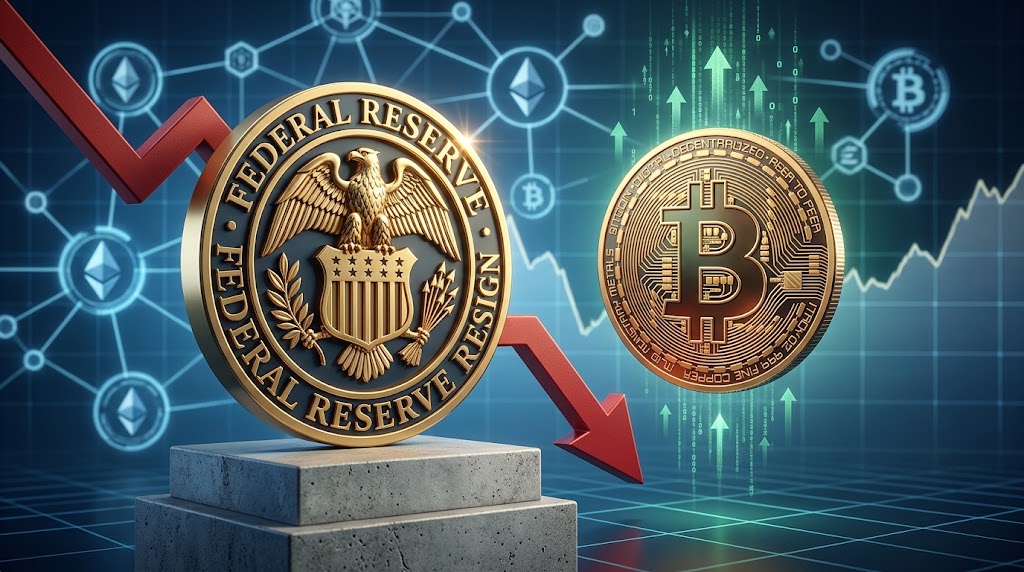
The U.S. Federal Reserve raised interest rates by 25 basis points to 3.75%–4.00%, signaling ongoing inflation concerns and potential future tightening. While higher borrowing costs typically exert pressure on risk assets like crypto, Bitcoin held steady near $76.5K. Investors are now focused less on the immediate rate hike and more on the Fed’s future policy path and broader market drivers.
XRP: The Native Digital Asset of the XRP Ledger (XRPL)
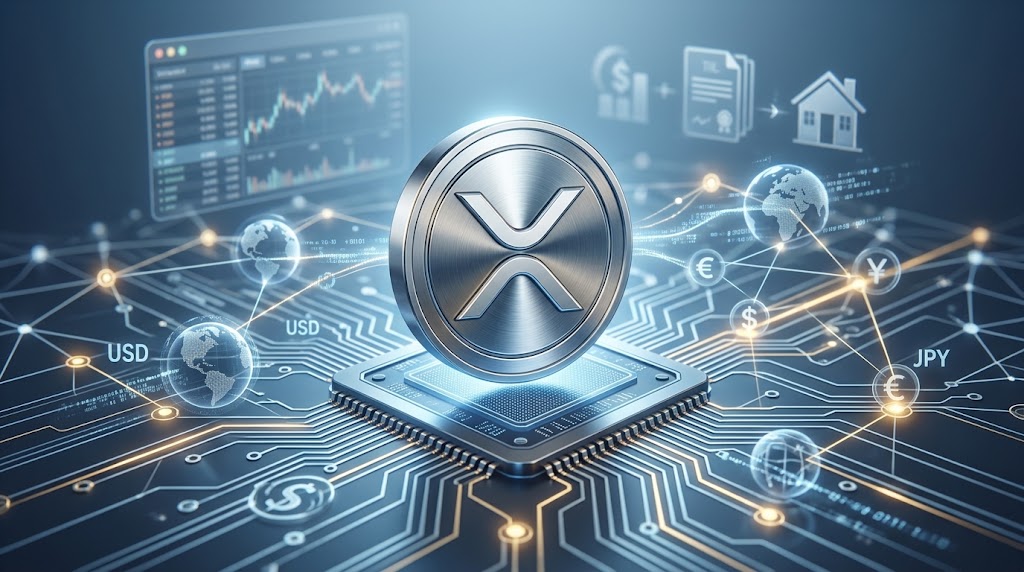
**XRP** is the native asset of the XRP Ledger, an open-source, permissionless Layer-1 blockchain using a unique validator-based consensus mechanism. Designed for speed, low cost, and scalability, XRP serves as a bridge currency for cross-border payments, powers decentralized exchanges, and supports real-world asset tokenization. Beyond simple crypto transfers, the ecosystem provides robust financial infrastructure for global institutional adoption.
PEPE: The Meme Token Turning Community, Liquidity and Speculation into Market Value

PEPE, an Ethereum-based ERC-20 memecoin inspired by the Pepe the Frog internet meme, was launched in April 2023. Positioned as a community-driven asset, its value is shaped by market demand, social-media attention, and speculation. With features like renounced contract ownership and no transaction tax, PEPE aims to establish itself among major meme-based cryptocurrencies like Dogecoin and Shiba Inu
PART 8: MARKET CYCLE IN CRYPTOCURRENCY
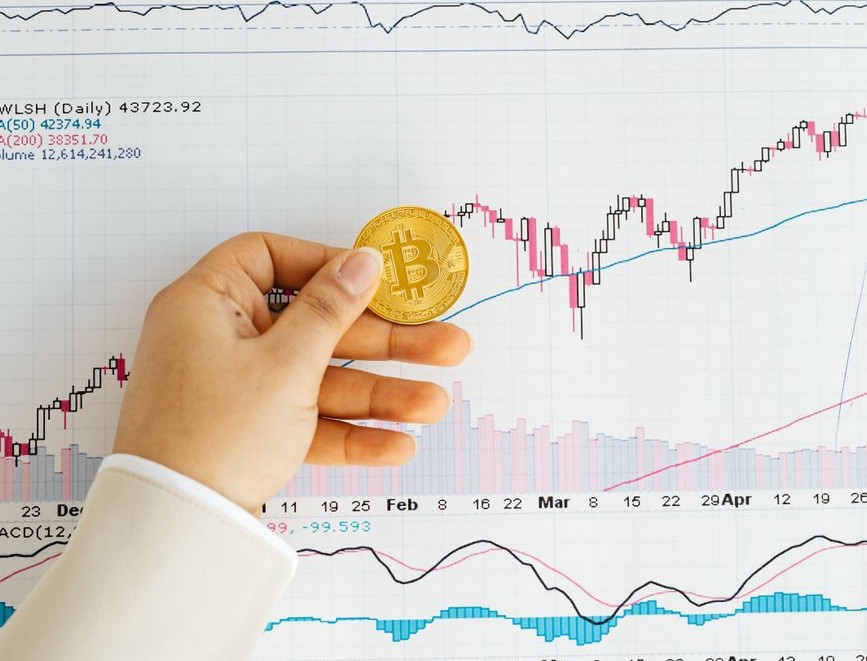
Understanding market cycles in cryptocurrency provides a critical framework for identifying shifting trends and managing risk effectively. The full cycle spanning accumulation, mark-up, distribution, and mark-down reflects evolving supply, demand, and investor sentiment. While macro factors and volatility can alter timelines, recognizing these distinct phases helps investors navigate market swings and make more informed strategic decisions.
BONK: Consolidation, Ecosystem Expansion and the Search for Direction

BONK continues to consolidate within the Solana ecosystem, transitioning from a high-volatility meme token into a community-driven Web3 asset with over 350 on-chain integrations. As price action stays bound between critical support and key supply levels, market participants are looking for sustained volume and structural breaks to confirm its next directional move.
Part 7 (Contd.): Smart Money and Market Structure
This article explores the core concepts of smart money and market structure in cryptocurrency trading. It highlights how analyzing price sequences, supply and demand zones, volume, and on-chain data provides institutional market evidence. Finally, it emphasizes essential risk management principles alongside the Securities and Exchange Commission’s evolving regulatory frameworks for Nigerian digital asset traders.
Part 7: Smart Money in Cryptocurrency
Smart money in cryptocurrency refers to institutional investors, hedge funds, and professional traders with substantial resources and market experience. While their large transactions can heavily influence liquidity, price action, and market structure, tracking smart money provides useful market signals rather than guaranteed predictions. Understanding these capital flows helps traders interpret broader market dynamics and potential shifts in sentiment.
Part 6: Profit Taking in Cryptocurrency Trading
This article breaks down essential profit-taking strategies in cryptocurrency trading to help you secure realized gains, minimize emotional decision-making, and protect your portfolio from market reversals. Learn how to implement fixed targets, partial exits, resistance zones, and trailing stops to build a disciplined risk management framework and lock in returns effectively.
PART 5: RISK MANAGEMENT
Effective risk management is essential for long-term survival in volatile cryptocurrency markets. Capital preservation must always take priority over short-term profit maximization. By mastering core concepts like position sizing, stop-loss orders, strict leverage control, and emotional discipline, traders can effectively protect their capital from catastrophic losses and sustain consistent performance through changing market cycles.
Part 4: Common Technical Analysis Tools Every Trader Should Know (Contd.)
This article explores essential technical analysis tools used to evaluate markets and confirm trade setups. It covers Bollinger Bands for volatility, Fibonacci Retracements for pullbacks, Volume indicators for trend strength, the Stochastic Oscillator for momentum, and the ADX for trend intensity. Discover how combining these complementary tools with disciplined risk management improves overall market analysis and trading strategies.